

Two strong solo eFootball players can still form a poor Co-op team when both chase the ball, nobody protects the space behind, or one player changes tactics without telling the other. Duo performance is about dividing decisions, not just collecting stronger cards. These are practical training recommendations before a community tournament, distinguished from the actual control restrictions KONAMI documents. Button mappings and supported commands may vary by device.
1. Both teammates rush the ball carrier
Double pressure can leave a passing lane and a runner completely free. Agree that one player approaches the ball while the other covers the most dangerous pass. Switch responsibilities when the ball changes zones, not simply because someone is impatient. Test three defensive sequences and note where opponents enter the box. Try pausing a replay at the moment the carrier turns toward midfield. Is your second defender running down the same line, or is that player blocking the diagonal passing lane? When both rush from one side, you spend two players on one decision and leave the next decision undefended. Run the exercise twice: once with player one closing down from outside while player two protects the inside, then switch assignments. Judge the result by where the first pass went and whether the opponent could advance centrally, not only by tackles won. A forced backward pass can be a successful defensive sequence even if nobody touches the ball. The pressing partner should announce an aggressive approach early enough for the other to adjust.
2. Nobody protects the space behind
When both players chase a winger, the gap behind the centre-backs may open. Use a short signal such as 'cover depth' to trigger recovery and control of the central run. Staying permanently passive is not the goal; keeping a route back is. This is a teamwork recommendation, not a guaranteed automatic game mechanic. Imagine losing possession near halfway with both full-backs high upfield. Your first action need not be an immediate tackle: identify the shortest route from the ball to your goal and protect that path. One partner slows the first pass while the other gets into a covering position. Watch the unmarked runner rather than staring exclusively at the ball. A counter after a set piece starts differently from one after a misplaced short pass, so do not copy positioning blindly. Review two examples where you prevented a through ball and one where you failed, then compare your centre-backs' distance when possession changed. That explains the decision preceding the chance without turning your replay review into an argument.
3. You expect a pressure command that is unavailable
KONAMI's mobile-controller command page states that Call for Pressure cannot be used in Co-op and that only the Leader can change Attack/Defence Level. Check the controls for your own platform before assuming identical menus everywhere, but never build a plan around a command that your current mode does not actually offer. The official control restriction matters because a beautifully written tactical plan is useless if it relies on a command unavailable in your match. Open the controller guide for your device, then test three actions in an unranked setting: Pressure, Match-up and cursor switching. Do not assume a mobile Bluetooth controller diagram matches every PC or PlayStation binding. Write down who can adjust the team's Attack/Defence Level and how that person will communicate a switch. Where platform behaviour or updates differ, trust the controls currently shown by the game and the latest publisher notes. Avoid random controller remapping downloads, security workarounds or unofficial utilities: understanding which options the mode actually offers is a safer and more valuable improvement.
4. Press and Match-up become one habit
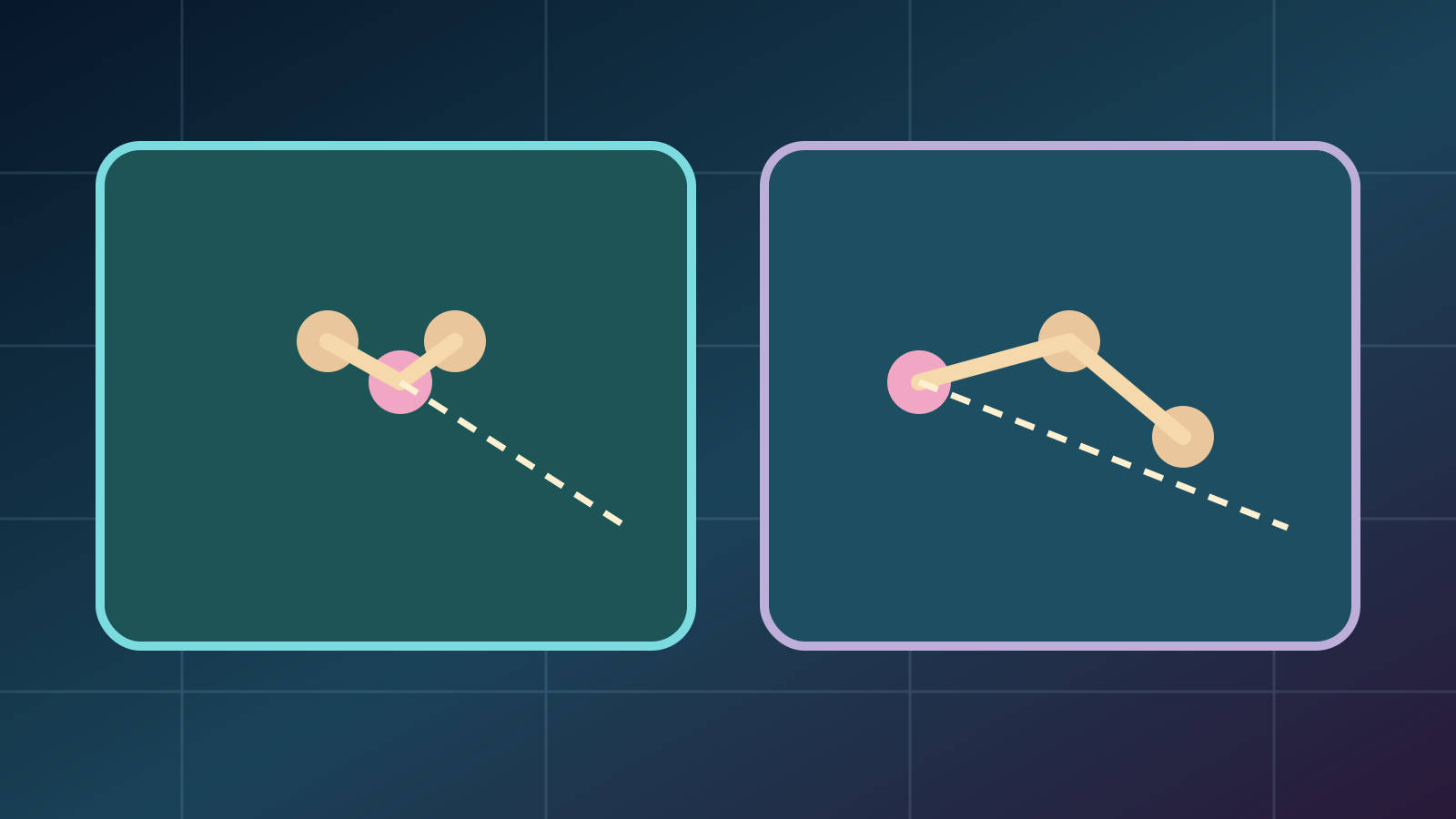
Press, Match-up and cursor switching are different defensive controls. Direct pressure may force the opponent into a choice while positioning for a Match-up can help defend a line or delay a dribbler. Holding a single button regardless of direction is not a tactical system. Updates can alter defender responses, so test with the current game build. Aggressive pressing feels active, but skilled opponents may simply wait for a defender to sprint past before turning or passing. In five short situations, assign one player to deny the immediate shot and the other to protect the most dangerous passing lane. Practise taking a step away when the attacker is inviting a challenge. Match-up is not just standing still, and Press is not an automatic tackle; direction, body orientation and the space behind your defender all matter. Game updates can alter defensive reactions, so repeat the same patterns after a significant patch instead of assuming yesterday's timing still applies. Your aim is to recognize the circumstances for each command, not memorize one favourite button.
5. Cursor switching happens too late
When the opponent plays a diagonal pass, someone must shift toward the receiver while another marks the active carrier. Agree which teammate reads the next receiver and who adjusts defensive coverage. Look at where the ball will travel, not only its current position, especially when transitioning from attack to defence. The critical moment is often the half-second between a diagonal pass leaving the foot and the next defender taking responsibility. Agree on a simple rule: the partner reading the next receiver calls the direction, while the player in a position to cover decides when to change the cursor. Recreate two diagonal passes and two short passes near the penalty area. Did your covering defender move into the lane before the attacker received it, or only after? If responses are late every time, improve how you scan runners before rewriting your controls. Defensive AI behaviour and patches also matter; not every late movement proves your teammate personally hit a button at the wrong time.
6. One partner changes the team plan silently
The official game explains Team Playstyles such as Possession Game and Quick Counter, as well as newer options like Fluid Formation. Mixing a short-passing intention with constant long runs causes mismatches. Choose one base approach in training, agree on a signal for a backup shape and respect the captain's access to leader-only controls. Choose a shape you both understand and answer three questions before playing: who drops first after a turnover, who offers the opening pass after a recovery, and who signals a tactical change when the score changes? Keep the plan to a few agreed sentences instead of lengthy coaching speeches mid-match. Do not treat an old Quick Counter video as current advice without checking whether defensive movement and player behaviours changed in later KONAMI updates. Respect leader-only adjustments, while making sure the leader is not expected to make every defensive choice for the pair. A consistent plan becomes especially useful when your opponent changes formation or your partner needs a few seconds to recover from a mistake.
7. Passes arrive before your partner can read them
You do not have to force a long pass as soon as you receive the ball. Before the attack, decide who offers a short outlet and who runs beyond defenders. Avoid a dangerous pass into an already pressed teammate just to look fast. Compare a three-pass possession move with a direct counterattack to learn what works for your duo. A pass is not good merely because it is fast. During ten minutes of practice, ask whether the intended receiver faces the pitch, has an unobstructed passing lane and possesses a safe next option. If not, a lateral pass may protect possession better than a risky through ball. Build three attacks in which the ball carrier always has a nearby outlet before attempting a long pass. Compare losses of possession directly after the first reception, not just total shots. If one partner loves individual dribbles, allow room to experiment but agree on the moment to release the ball. The best attack is one your teammate can anticipate and support rather than simply react to.
8. You assign blame instead of fixing a decision
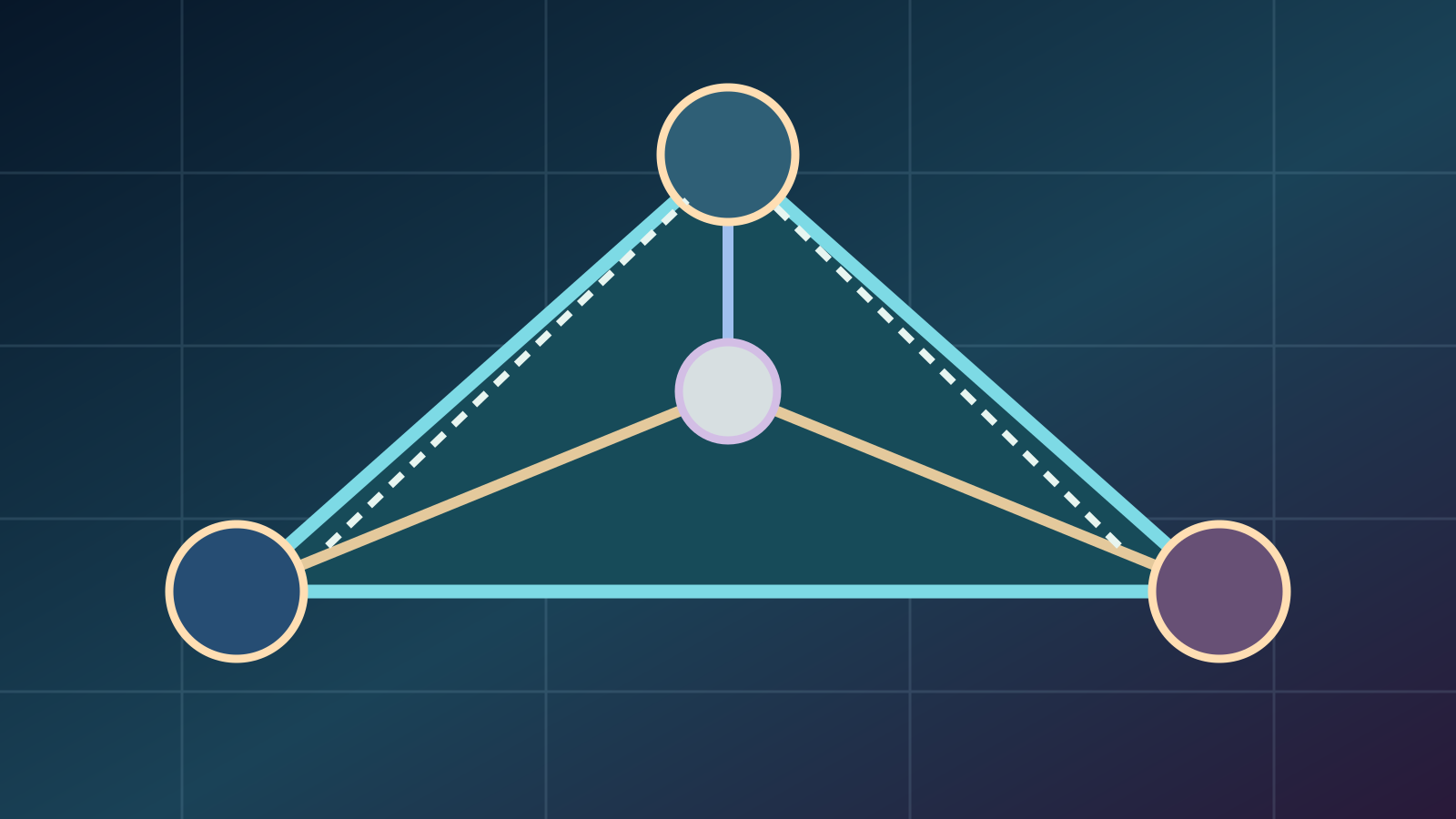
Arguing after conceding weakens communication for the next attack. Instead ask whether a passing lane was open, a cursor switch was late or the connection delayed a command. Change one decision at a time. Criticize the action, not the player, and review the replay when the game or recording makes that possible. Effective communication does not require shouting continuously. Build a tiny vocabulary of four phrases, such as 'cover', 'press', 'behind' and 'reset', and define exactly what movement each one should trigger. During a practice game, notice whether the same call is repeated without a response: perhaps the instruction was too vague or came too late. After conceding, review one event rather than arguing about someone's overall ability. Who initiated pressure? Who covered the next pass? Which movement surprised the partner? Write down one adjustment for the next match. Do not instantly blame ping or the game's AI without evidence, although genuine technical problems should be investigated when they recur.
A focused ten-minute pressure drill
Spend three minutes with player one pressing and player two covering, then reverse roles. Reserve four minutes for possession turnovers near midfield. For the final three minutes, communicate using just two or three agreed words. Adjust the drill to your level; it is not a formula that guarantees a win rate. Make a ten-minute drill measurable rather than just another casual game. For the first three minutes, partner one initiates pressure while partner two calls coverage. Swap responsibilities and count the dangerous chances allowed, not only the times you nearly reached the ball. In the next four minutes, focus on turnovers near midfield and identify where your safety player stood just before the poor pass. In the final three minutes, use only two short defensive calls and test whether they convey enough information. If you cannot arrange a dedicated practice period, apply the same rules in your next suitable friendly. One good result is encouraging but is not proof of a permanent increase in your win rate.
Practise the last attack without exposing the back
Try three attacking patterns: short passes, a change of flank and a faster break. After each one, check where the deepest defender stood, not just how many shots you took. Do not commit every player forward until you have practised recovering from a counterattack. The best approach depends on formation and opponent. Compare three attacking patterns fairly: an approach from deep with three safe passes; a switch of flank after pulling a defender toward the ball; and an early forward pass into available space. After each attempt, record whether someone remained able to delay a counterattack and whether the other partner had to sprint back to cover a vacated position. Do not judge a pattern from a single shot, successful or otherwise. Ask whether it leaves you in a position to rebuild if the first attempt fails. Also rehearse against opponents who defend deep as well as those who press high, because the same forward run does not solve both situations.
What if one teammate experiences lag?
If only one of you reports delayed inputs, avoid assuming the cause is lack of skill. Compare connection quality, peak-hour congestion and devices before rewriting all your tactics. Gather observations across several matches and avoid dubious zero-ping boosters or unknown download links. Input delay can cause a missed tackle, a late cursor switch or a poor pass, but one replay cannot identify the underlying network problem. If only one partner feels delayed, log the time, connection type and whether downloads were running, then compare several matches. Start with safe checks such as wireless stability or trying wired Ethernet when available, and pause large background downloads. Do not disable system security or hand over KONAMI account credentials to someone promising zero ping. A conservative passing plan can reduce risky turnovers while lag persists, but it does not repair the connection. Persistent incidents deserve review against the game's service notices and the network provider's advice.
From practice to the independent Zaplat Cup
Once you can communicate consistently, check the live Co-op Cup card in Zaplat Gaming's tournament section. Each teammate needs their own eligible account and must follow the organizer's partner invitation and verification requirements. Reading this guide never registers the team automatically. The cup is an independent community event, not an official KONAMI qualifier. Before entering any tournament, check each person's account independently. Can both partners sign in to Zaplat? Has the actual teammate invitation been accepted? Is verification required and complete? Does the active tournament card list a match time, disconnection rule, withdrawal rule or prize delivery method? If a critical item is absent, ask through an official channel rather than inventing one. Agree on communication that never involves sharing a password or one-time code. Keep a record of the rules you accepted and return to the live event card before your first match because a news article about registration may become outdated. The guide prepares your duo; it never enrolls you automatically.
Does Call for Pressure work in Co-op?
KONAMI's mobile controller instructions mark it unavailable; verify the controls on your platform.
Who adjusts the Attack/Defence Level?
The same official guide says the Leader alone can change it in Co-op matches.
Is one tactic guaranteed to win?
No. Opponents, formation, connectivity and communication all vary.
Is double pressure always useful?
It can leave dangerous passing space; assign coverage instead of blindly chasing.
Does training register us for Zaplat's Cup?
No. Read and complete the tournament's account, partner and eligibility requirements.