

Valve's Deadlock hit a reported 262,145 concurrent players on October 9, 2026, according to SteamDB, exceeding Team Fortress 2's historical peak of 253,997 players.
What happened?
These figures measure simultaneous Steam sessions at a single point in time, not total accounts, downloads or daily active users. The recorded difference between the two peaks is 8,148.
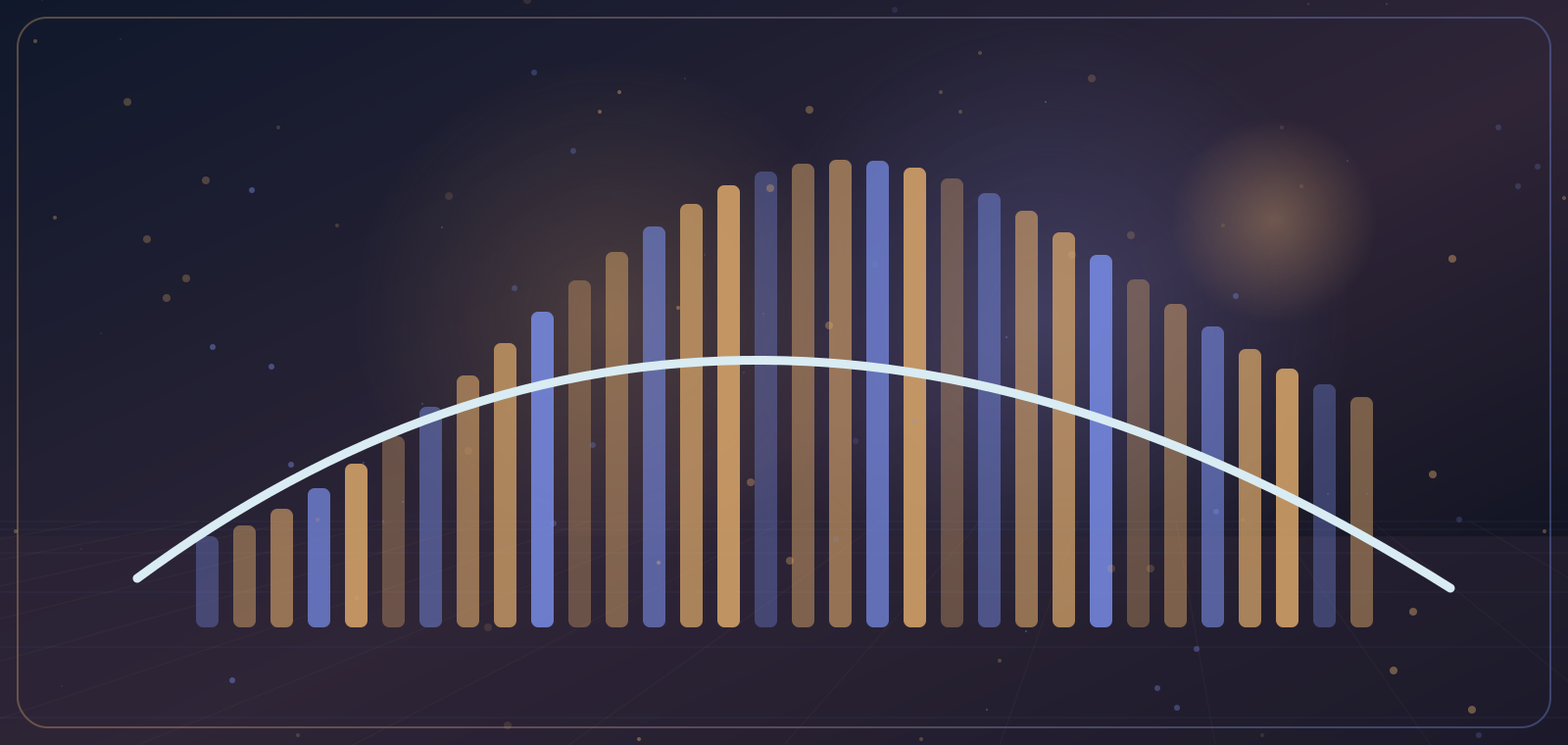
SteamDB records Deadlock reaching 262,145 simultaneous Steam players on October 9, 2026, while its Team Fortress 2 chart lists a lifetime peak of 253,997 on July 13, 2023. The difference between these recorded highs is exactly 8,148. Both figures are useful and independently inspectable, but they come from different dates and conditions. A peak concurrency comparison does not measure which game has better combat, which has a happier community or which will be more influential years from now. It measures the maximum number of simultaneous Steam sessions recorded for each title. That distinction is especially important because Deadlock remains in an invitation-based development test.
An all-time peak is also not the same as the number of people playing when someone reads this article. Session counts naturally rise and fall with time zones, weekends, new content and community events. A lower value the next day would not undo an earlier record, and 262,145 should not be interpreted as that many new sales or unique accounts created on October 9. Interested players can open the two SteamDB charts and inspect the All-time peak line for themselves. This is a better verification habit than sharing a cropped image without the date or the game's identifying Steam app page.
What is confirmed?
The surge arrived while Deadlock remains in invite-only testing and continues adding heroes. PC Gamer highlighted the arrival of Solomon, a hero whose abilities have a chess theme.
PC Gamer reported that Deadlock's new peak arrived around the release of new heroes, including Solomon, a character with chess-inspired abilities. Updates can bring experienced players back to experiment with builds and encourage friends to start together. Yet that timing alone does not establish that one hero caused every additional concurrent session. Streaming attention, community discussion and ongoing invitations may also affect demand, but the available measurements do not isolate each factor. The defensible claim is narrower: Deadlock attracted an unusually large number of simultaneous players during an active round of changes while still restricting entry through invitations.
Understanding the game's hybrid design also helps explain why the result stands out. Deadlock has shooting and aiming in a third-person view, but players are not simply competing for the most eliminations. Hero selection, abilities, map control, teamwork and a resource economy create decision-making more familiar to MOBA audiences. A Team Fortress 2 veteran may recognize Valve's interest in character-based combat without finding the systems identical. The games do not share every objective, match rhythm or progression mechanic. Framing the milestone as an exact replacement of TF2 would therefore miss what makes Deadlock a distinctive project.
What does it mean for players?
Deadlock mixes third-person action and MOBA-style teamwork, making the result noteworthy for Valve's competitive lineup. The Steam comparison does not include every platform or imply long-term dominance.
Team Fortress 2 has remained a recognizable Valve multiplayer game across many years, so surpassing its Steam record carries symbolic weight. The comparison is nevertheless specifically a SteamDB comparison. It does not reconstruct activity on older console releases of TF2 or cover every historic server community with the same accuracy. Comparing a freely accessible mature title and an invite-only test also involves different audiences and incentives. Those caveats do not make Deadlock's recorded number less real; they prevent readers from interpreting one statistic as a complete account of the history of both games.
Long-term success depends on more than a single peak. Important questions include how many players return once a new hero loses its novelty, whether incoming players receive adequate onboarding, whether matchmaking stays competitive and whether hero balance improves with feedback. These questions are particularly relevant for a developing multiplayer game, whose abilities and systems can change substantially from one update to the next. A healthy trend over many months would provide stronger evidence of staying power than a short spike. Conversely, a predictable drop after an exciting patch does not by itself demonstrate that the game has failed.
What happens next?
Watch whether the population remains strong beyond new hero releases and whether Valve announces a wider launch plan. These sources do not establish a final public release date.
For someone hoping to try Deadlock, its invitation-only status matters more than the headline player count. Avoid unofficial downloads or offers that require handing Steam credentials to third-party sites in exchange for instant entry. Access conditions can change as Valve makes decisions, so the safest option is to check official channels instead of relying on posts claiming that everybody can join immediately. Players who already have access can follow update announcements and experiment with new mechanics without assuming that older guide videos remain accurate after balance adjustments. The game is under development and gameplay knowledge will evolve with it.
The next meaningful developments would be a publicly announced access change, a broader test, an actual release schedule or another substantial update with measurable effects on retention. SteamDB's daily and monthly data can help compare subsequent activity, but correlation with updates is not proof of a single cause. If Valve confirms a launch date, that will deserve a separate report rather than an inference from this record. For now the substantiated headline remains straightforward: Deadlock reached 262,145 concurrent Steam players, passing Team Fortress 2's historical 253,997 record. The number is impressive without inventing sales figures, permanent rankings or a release date.