

A fascinating new game promises an enormous world, clever combat and a future full of co-op missions. The trailer looks irresistible, until you notice the words Early Access. You are not buying a finished product; you are purchasing the playable state that exists today and hoping development brings more. Valve's own rules draw a clear line: customers should pay for the present build rather than gamble on uncertain future features. Whether to buy therefore depends less on how impressive a roadmap sounds than on whether the game already offers something worth your money and leisure time.
Early Access is not the same as Advance Access
Valve distinguishes two ideas often confused in marketing. Steam Early Access means buying a playable, unfinished game while the developer continues working on it. Advance Access refers to a pre-purchase incentive that lets buyers of certain higher-tier editions play before the standard edition launches. The latter does not itself mean a game is in alpha or beta. Steam documents the difference explicitly and cautions that Advance Access may be a poor fit when an early start creates a competitive advantage. Never assume that every 'play early' banner describes the same kind of product.
Pay for the existing game, not the imagined sequel
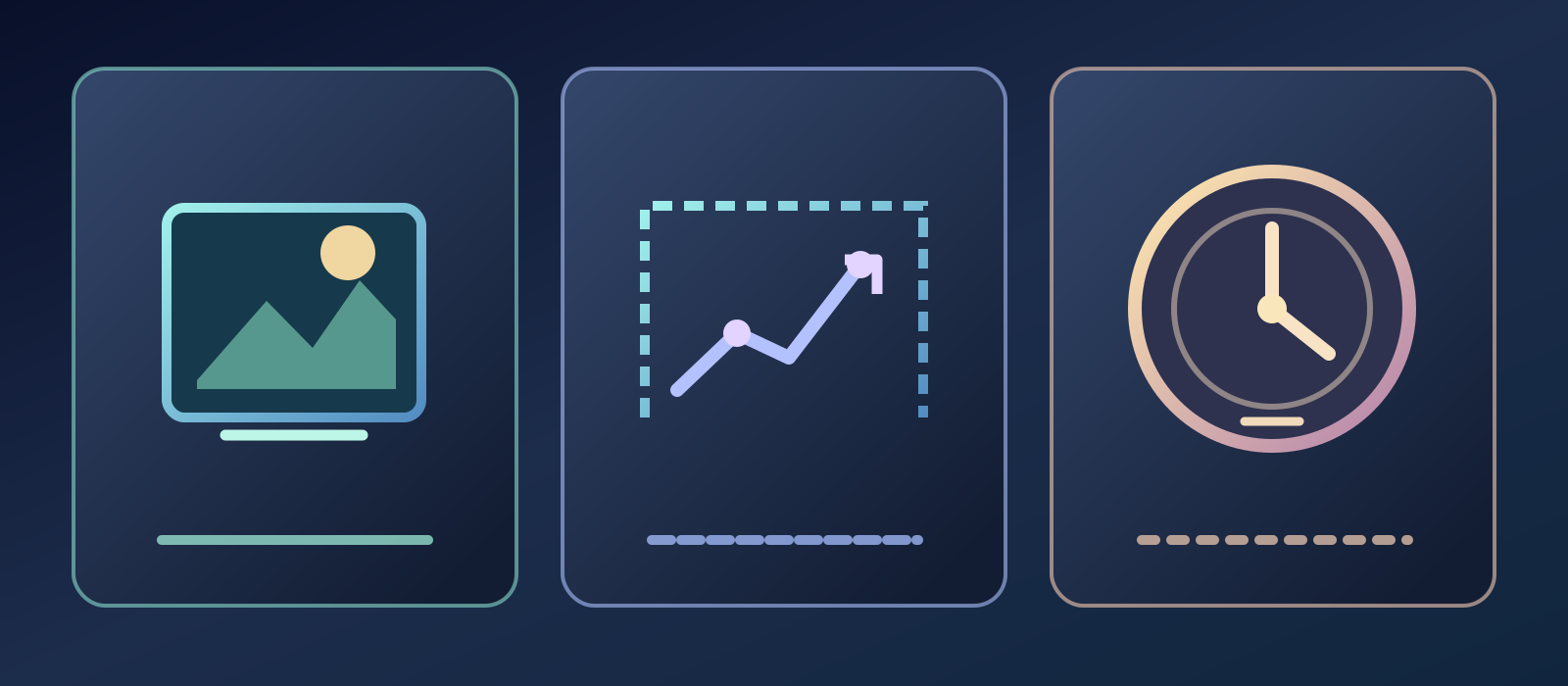
- Playable now
- Development roadmap
- Uncertain completion
Valve's developer guidance warns against asking customers to bet on future promises. Imagine a survival game with an enjoyable ten-hour core and a roadmap promising four additional biomes and cooperative raids. If those extras never arrived, would today's experience still justify your purchase? Your answer separates the actual value of the current build from the attraction of a projected future. Anticipation is part of gaming culture and can be fun, but it becomes risky when a promised system rather than an existing feature carries the full price in your mind.
The best reasons to join development early
Early Access can be rewarding when the central gameplay loop is strong now. Players may enjoy discovering new systems before strategies become settled, watching their feedback influence design or following a small team's creative process. For some, experimenting with rough edges is genuinely enjoyable rather than a chore. Their enjoyment should not be dismissed merely because a product is incomplete. Equally, nobody is required to become a tester or enthusiastic community participant. Players who prefer a polished story and known content may get more value by returning at full launch.
The risks a polished trailer can conceal
A beautiful reveal video can hide unfinished menus, performance problems, sparse late-game activities, poor enemy behavior and inconsistent progression. Some projects work technically yet offer too few meaningful decisions beyond the first handful of hours. Others have rich gameplay but serious stability issues. These are different weaknesses and may matter differently depending on your preferences. Examine what is playable in the current build rather than judging only the intended scope. There is no universal bug count or minimum hour target that makes an Early Access release objectively good.
Why a roadmap cannot guarantee completion
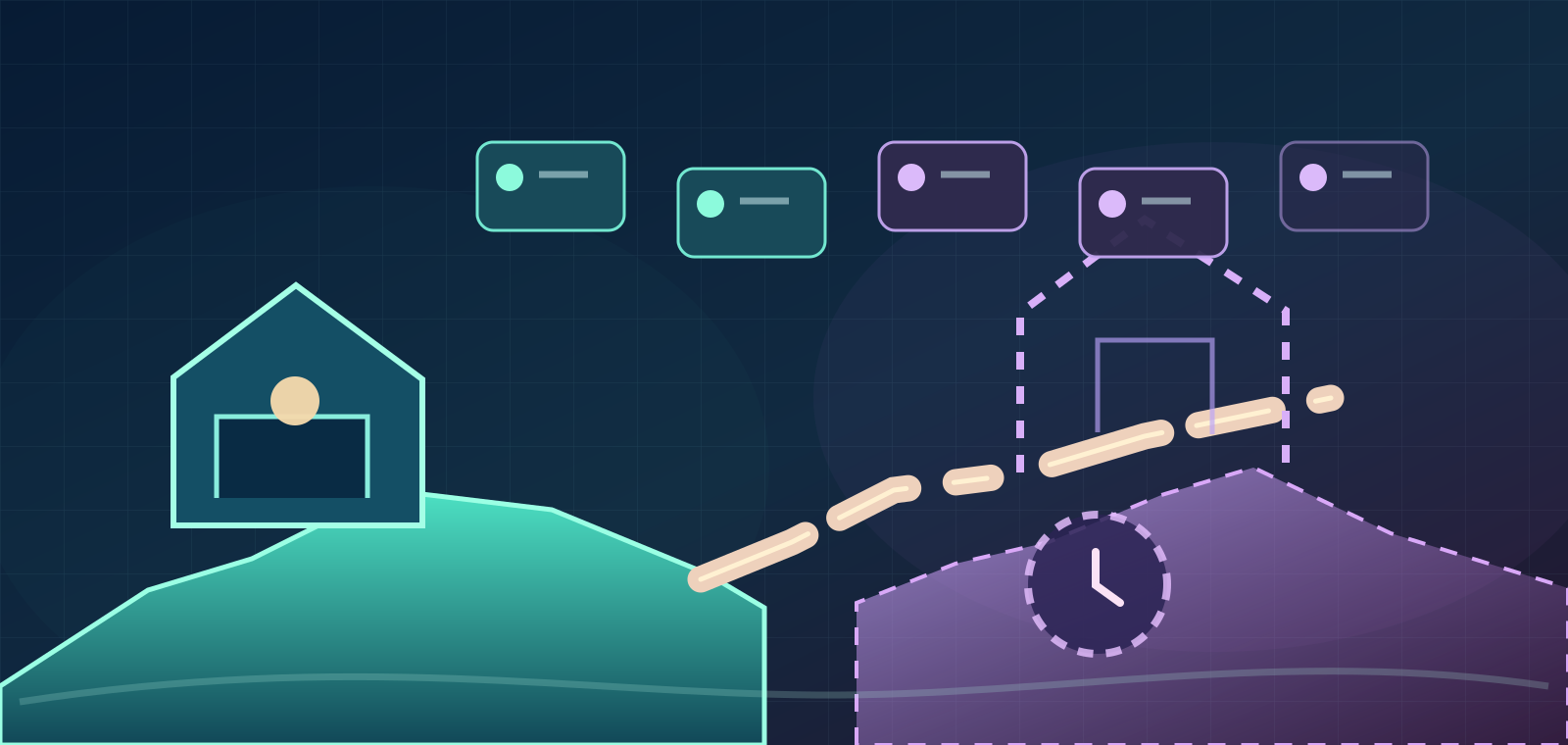
Steam explicitly advises developers not to make specific promises about when a game will finish, whether it will ever finish or whether a planned feature will be delivered. A roadmap is useful as a statement of direction, not an enforceable guarantee of every milestone. Delays can reflect careful iteration, unexpected technical work or inadequate planning; outsiders rarely have enough information to distinguish these causes from a headline alone. Look at progress since the project opened, the clarity of patch notes and whether the team honestly identifies difficulties instead of offering ever more precise dates.
Frequent patches are not the same as meaningful progress
Twenty tiny fixes may matter less to your enjoyment than one meaningful addition to combat or campaign structure. Conversely, a patch that prevents save corruption can improve the game enormously even if it brings no new map. Raw announcement frequency does not measure development quality. Read whether updates address player-facing problems, improve the defining systems and explain trade-offs. An irregular schedule does not automatically mean abandonment, especially for smaller studios, but repeated promises without observable delivery warrant caution. Evaluate the direction and substance of change rather than the number of notifications.
What happens when an update breaks your saves?
Few frustrations compare with losing a world built across weeks of play. Steam's rules tell developers to be transparent if they know Early Access updates are likely to break saved games, but this instruction is not a promise that every release will preserve every save. Survival-world generation, progression structures and databases can change dramatically during development. Before committing to a very long campaign, check the developer's current statement about save compatibility and use officially supported backups when available. Do not confuse cloud synchronization with an independently recoverable backup.
Balance changes can reshape the game you purchased
Early development can replace weapons, redesign economies, rebalance difficulty or remove a much-loved mechanic. Some buyers welcome this because they want to watch the design evolve. Others understandably feel the experience they paid for has changed. An Early Access game is not necessarily the same product with a larger map appended each month; its identity may still be under revision. Ask whether you enjoy an evolving prototype or require consistency. Neither preference is unreasonable, but they produce very different purchase decisions for the same game.
How to read Steam reviews across changing builds
Steam reviews written a year ago may describe mechanics that no longer exist. A glowing review published after a major update may accurately praise a small part of the game without assessing its complete campaign. Compare recent and older reviews, read the details behind the sentiment, and favor experiences similar to how you expect to play. A reviewer who says 'I love the developers' is sharing enthusiasm; a reviewer who reports completed quests, game stability and save behavior provides different evidence. The important question is what the author actually tested and in which version.
Single-player and multiplayer have different risks
A single-player sandbox may allow you to return whenever new chapters arrive, though unfinished stories and save compatibility can remain concerns. Multiplayer Early Access adds a different dependency: enough active players in your region, functioning servers and a balanced competitive environment. A shrinking queue can hurt the experience even when underlying mechanics are fun. Progression resets can also be more disruptive when an entire team or community is involved. Match the risk assessment to the genre rather than treating unfinished single-player and live multiplayer development as identical propositions.
Will Early Access get cheaper or more expensive?
Do not assume every Early Access game is automatically a discount or that the full-release price will inevitably rise. Prices can change, sales can happen and individual regional pricing may vary. A vague warning that buying later will be more expensive is not a verified personal saving. Compare the price with content already playable and games you would actually enjoy this month. Spending less than a hypothetical future price is not meaningful value if the current build sits untouched in your library. A wishlist can preserve interest without creating a financial commitment.
What Steam's refund policy actually says
Steam normally offers refunds within its published purchase window and under two hours of play, subject to policy details and exceptions. The official policy explicitly says playtime in Early Access and Advance Access counts toward the two-hour threshold and has additional language about purchases prior to the release date and when the 14-day period begins. Policies and individual entitlements are nuanced, so read the current text and your transaction details rather than relying on a forum summary. Steam may review requests beyond its typical rules, but acceptance is not guaranteed.
When waiting is the smarter choice
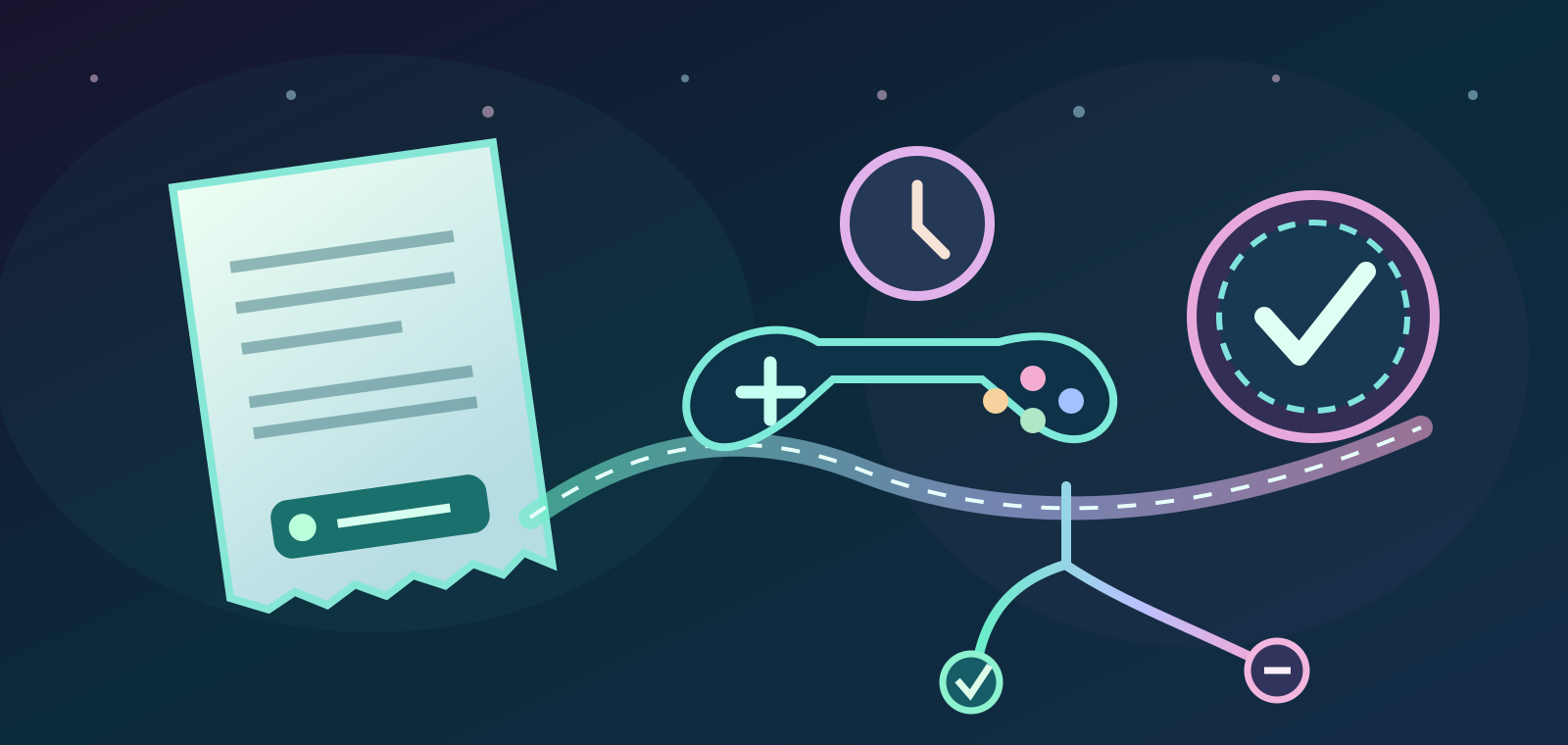
Waiting often makes sense when the feature you want most is labeled 'coming later', the main narrative has no ending, your setup is prone to performance trouble or you strongly dislike losing progress. Waiting may also be wiser if money is tight or an existing library already holds excellent unplayed games. That choice is not a judgment on the studio or people who enjoy testing new ideas. You can follow patch notes and revisit the decision after major releases. Not every exciting game must be bought at its earliest available moment.
A simple framework for assessing real value
Skip invented universal scores and ask yourself three questions. Would the current build be worth playing if development stopped tomorrow? Would I tolerate design changes, rough performance or a save reset? Is this the best use of my entertainment time and budget right now? If the answers are positive, Early Access may be a sensible purchase, especially when you enjoy observing development. If the answers are uncertain, postponement may be rational. The goal is not to declare all unfinished releases bad but to align expectations with what actually exists.
The responsibilities of developers and players
Developers benefit from honest feedback and should explain current features, known risks and significant design changes. Players benefit from being informed and considerate, but a purchase does not automatically make someone an unpaid quality-assurance worker obliged to file detailed bug reports. Nor does it give buyers authority to dictate every feature. The relationship works best when expectations remain explicit: the studio communicates the present condition and changes, while buyers decide whether current value and uncertainty suit them. Treating support for an idea as proof that every promise will arrive only invites disappointment.
The takeaway: buy the present, not a promise
The strongest reason to buy Early Access is wanting to play the version offered today. Good unfinished games can already deliver memorable hours and meaningful participation in development, but they remain subject to change. Treat any roadmap as possible upside rather than prepaid guaranteed content. Examine recent reviews, the present feature list, save compatibility notices and refund conditions. Compare those with your own playstyle and budget. A game worth its price now should not need an imaginary perfect future to justify your purchase.
Sources & references4
Research checked October 9, 2026: official Steamworks guidance on Early Access, Valve's separate Advance Access documentation, Steam release options and the Steam Refunds policy. The evaluation framework and player-value conclusions are Zaplat Gaming editorial interpretations, not a statistical claim about the success or failure rate of all Early Access games. Other stores and territories may have different purchase rules, and users should verify the relevant current policies before deciding.