

A new game arrives and somebody in your feed has already posted a shocked face next to an important character. You have not even pressed Start, yet the title and thumbnail tell you which surprise to expect. This is the odd economics of gaming in 2026: people play long, personal stories at wildly different speeds, while videos and screenshots race to capture attention during the same opening hours. Calling for universal silence is unrealistic. Calling every accidental revelation harmless is equally dismissive. The interesting question is how to protect discovery without preventing creators and fans from talking.
Not every spoiler is a final-boss reveal
Spoilers include endings and betrayals, but also the location of an unexpected chapter, the identity of a guest character, a hidden mechanic or even the knowledge that a late twist exists. Some people love advance information because it reduces uncertainty; others want to make decisions without knowing consequences. A reasonable community therefore cannot assume one sensitivity level for everyone. It should separate necessary descriptive context from revelations that change how the first playthrough feels.
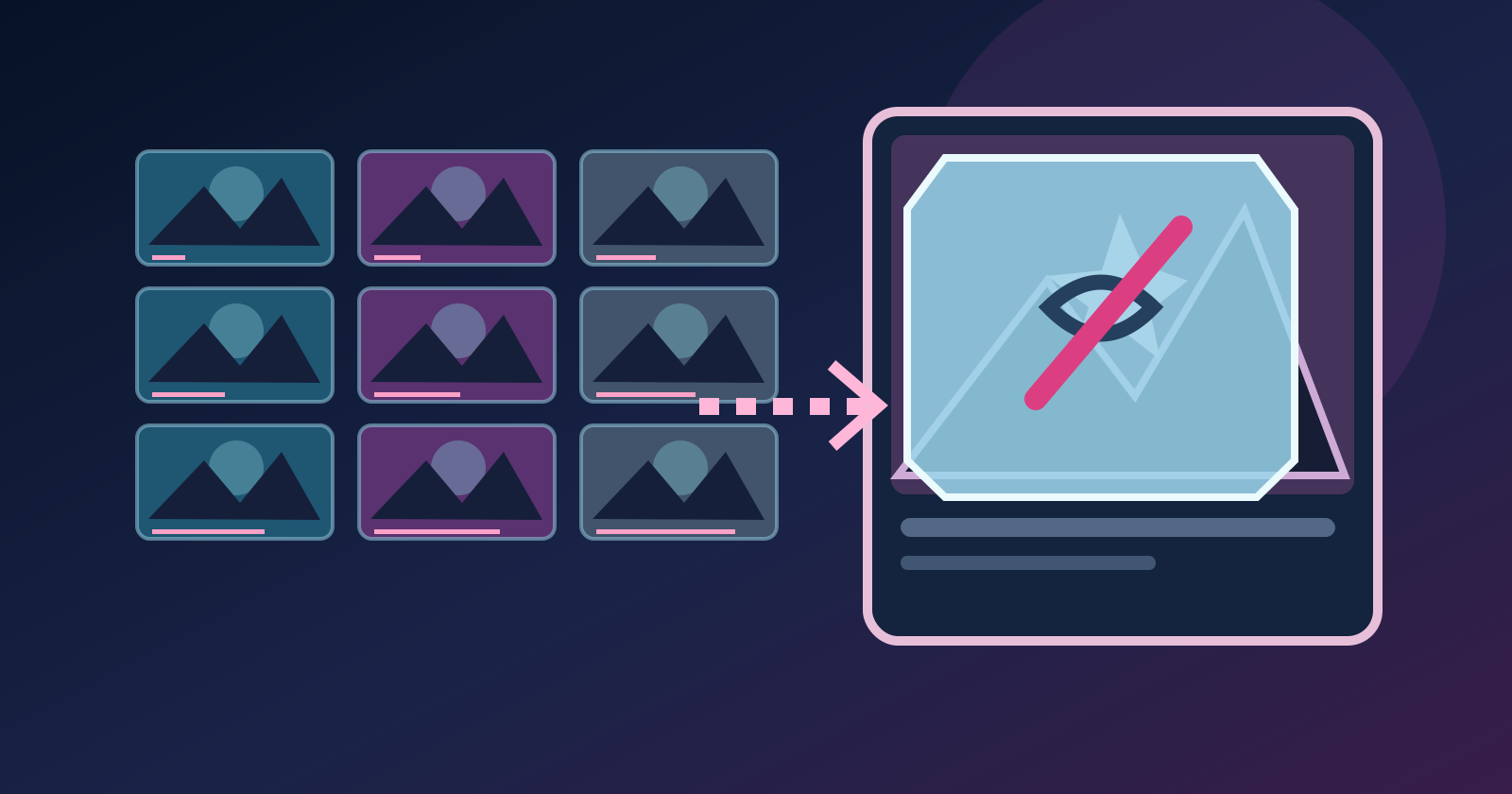
A thumbnail can disclose more than a video
The viewer may never open the review or stream. A picture of a supposedly secret scene, a shocked-face portrait beside the final boss, or a title asking whether a character survives is enough to frame the story. That is why placing the actual spoiler inside a ten-minute video is not adequate protection. The exposed surfaces are the cover image, headline, preview text, automatic subtitles, chapter titles and pinned comments. A genuinely spoiler-light package respects all of them.
Recommendation feeds turn curiosity into exposure
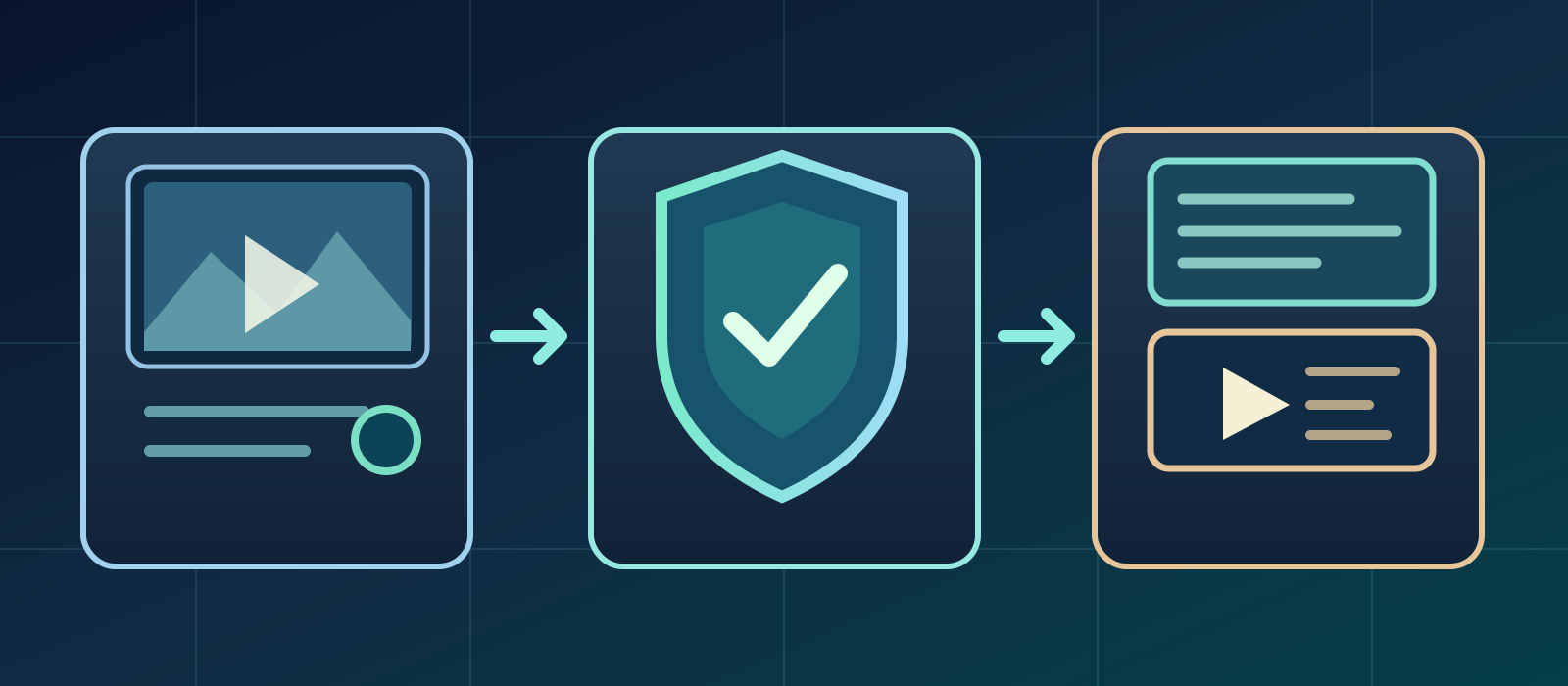
- Public preview
- Spoiler warning
- Opt-in discussion
YouTube describes watch and search history, likes, feedback and other signals as influences on recommendations. Its documented Not interested and Don't recommend channel controls can reshape a feed, but the company does not promise a universal spoiler filter for every game. That distinction matters: a viewer who watched an official trailer may receive adjacent content without actively searching for the ending. Blaming viewers for every unwanted recommendation ignores the design of discovery itself.
Live streams run on another clock
A livestream rewards immediate reactions. Chat moves quickly, clips spread within minutes, and a streamer can discuss a moment long before some viewers reach it. Delay tools or chat rules may reduce obvious damage, but a title, clip preview or unexpected live raid can still spoil. The thoughtful approach is to state a stream's spoiler scope before the conversation begins, repeat it near the beginning and tell moderators which topics must stay hidden from newcomers.
Launch day is not the same day for every player
Time zones, school, work, accessible play speeds, internet downloads, platform availability and personal budgets all create different starting lines. Someone finishing a campaign in one weekend does not make the ending public knowledge to everyone. Conversely, people who finished it do deserve places to analyze its craft. The conflict is not between fast and slow players as moral groups; it is about forcing both into the same unmarked discussion space.
An endless embargo is unrealistic
A permanent ban on discussing plot points would flatten criticism and make meaningful retrospective writing impossible. The alternative is a graduated convention rather than an arbitrary universal deadline: early coverage avoids key imagery, later deep dives clearly signal spoilers, and communities retain opt-in spaces for people who finished the campaign. What matters more than the exact number of days is whether a reader can recognize the risk before being exposed.
Discord text and image spoiler tags help
Discord officially supports spoiler marking for segments of text, attachments and links. Those controls are useful for a mixed-progress group because one discussion can contain both public impressions and hidden plot details. However, a member can reveal a spoiler accidentally, and a channel name, notification snippet or untagged preview can still give away context. The mark is a courtesy mechanism, not an excuse to place spoilers in every public conversation.
Spoiler Channels give communities a new boundary
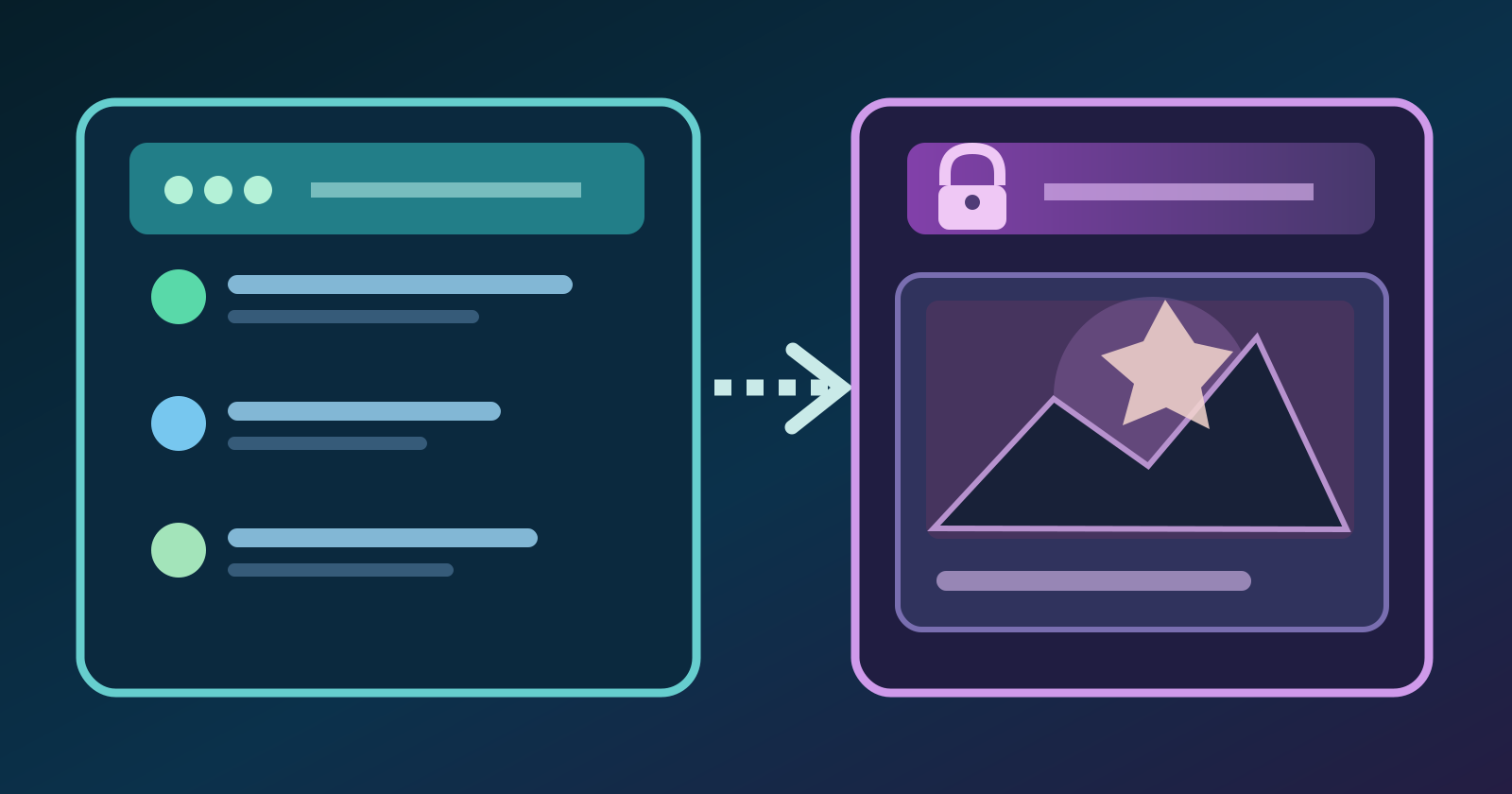
Discord's July 2026 documentation describes Spoiler Channels as spaces hidden behind a notice until a member chooses to enter. Unlike age-restricted channels, these are about opting in to sensitive discussion, not verifying adulthood. That is a meaningful addition for gaming servers: a dedicated finishing-the-game channel can host deep analysis without burying every message in tags. Its description should explain which titles, quests or chapters may be openly discussed.
Creators should earn clicks without a plot hostage
A creator needs discovery to make content sustainable, but there is a difference between a compelling question and a title that announces the answer. 'Why the finale divided players' can invite analysis without naming who dies or displaying the final scene. Thumbnails can use an atmospheric original graphic, recognizable color palette or a non-revealing character image. This is an editorial choice, not an argument that creators must stop covering new games.
One server rarely fits every progress level
In a small friend group it is tempting to assume that everybody finished a story. A public community is different: some viewers started yesterday, some replay with a family member, others are waiting for a localization or accessibility option. The sensible design uses spoiler-free announcement spaces plus opt-in spoiler channels, a pinned discussion rule and moderators who enforce labels consistently. Segmentation protects conversation rather than suppressing it.
Clips and screenshots travel without context
A dramatic screenshot may escape from its original spoiler-labeled thread into a repost, notification, automated preview or short-form clip. Even careful streamers cannot control everything once other users redistribute the material. That is an argument for minimizing exposed captions and previews at the point of publication, not for claiming total control over every copy. A clip name such as 'final reveal' can itself be information the viewer never chose to receive.
Automatic summaries can reveal narrative structure
Search previews, autogenerated chapter labels and AI-generated summaries may make it easier to stumble upon story details. Not every platform produces the same summaries, so claims of universal automatic spoiler detection or prevention would be misleading. Creators can still write neutral public descriptions and reserve plot-specific detail for clearly labeled internal sections. Players should not have to decipher an algorithm's intentions to know whether an article is safe to read.
Discovering a secret system can also be spoiled
A surprise traversal ability, an optional companion, a boss phase, or a hidden route may be as memorable as a cinematic plot twist. Competitive games add another distinction: public patch information and deliberate secret discoveries are not always interchangeable. Editorial teams should specify whether 'spoiler-free' applies only to narrative outcomes or also to late-game mechanics and collectibles. A shared definition reduces arguments that would otherwise follow every launch.
Publishers and platforms cannot offload everything
PlayStation's official Ghost of Yōtei spoiler-heavy interview puts a clear warning before its detailed discussion, demonstrating that deep coverage and advance disclosure can coexist. Discord provides opt-in and hiding features; YouTube offers recommendation feedback rather than a guaranteed spoiler shield. None of these mechanisms completely solves the problem. The remaining responsibility lies with editorial choices, community moderation and individual control over where they enter.
Neither side should weaponize etiquette
Telling someone they are foolish for playing slowly is cruel; telling every creator that criticism must wait forever is unfair. Both reactions treat one group's experience as the only legitimate one. Good spoiler policy should be legible and proportionate: no endings in titles or public thumbnails, clear labels for detailed discussion, and practical exceptions for old, widely discussed media without pretending that first-time players cease to exist.
A fair spoiler culture requires consent
The most persuasive standard is simple: give people a meaningful choice before showing revealing information. A spoiler-free introduction may talk about themes, quality and accessibility; an explicitly marked deep dive can discuss endings and design consequences honestly. Platforms can offer better controls, creators can design cleaner previews, and players can select the spaces they join. The goal is not to eradicate surprise or criticism, but to let both survive the same launch season.
Sources & references4
Verified primary documentation for the mechanisms discussed: Discord Spoiler Tags, Discord Spoiler Channels FAQ (July 2026), YouTube Help on managing recommendations, and the PlayStation Blog's explicitly spoiler-labeled Ghost of Yōtei developer interview. The article does not reveal any actual game ending. These sources document features and editorial practice; they do not provide a measured 2026 spoiler-exposure rate. Sources
- support.discord.com — 360022320632 Spoiler Tagssupport.discord.com
- support.discord.com — 40248967926167 Spoiler Channels FAQsupport.discord.com
- Google Support — 6342839support.google.com
- PlayStation Support — ghost of yotei spoilercast interview the games ending open world design takezo the unrivaled and muchblog.playstation.com