

You queue for Ranked after a long day, then your router drops or the client locks up. When you return, you face a queue restriction or lost ranking points. You did not choose to leave; your teammates nonetheless spent the last rounds playing with one person missing. That tension is the heart of anti-leaver policy. A fair system must protect people harmed by strategic quitting without treating each isolated technical problem as deliberate sabotage. Riot's June 2026 League documentation, its VALORANT policy and a carefully dated historical Apex example show both why these penalties exist and why exemptions are difficult.
A missing teammate changes the match for everyone
A departure from a five-person team affects four allies and often turns a match ten players reserved time for into an uneven contest. If quitting carried no consequence, someone could leave any unfavourable map, draft or scoreline without cost. The existence of penalties therefore serves a real purpose. Yet a power cut is not morally equivalent to rage quitting. Evaluating fairness requires both perspectives: the account marked as absent and the other players whose chance to compete was reduced through no choice of their own.
Queue dodging, being AFK and disconnecting are distinct
Queue dodging refers to abandoning or failing to complete a pregame selection. AFK usually describes not participating adequately after gameplay begins. A disconnection can be intentional or caused by a client, network or service failure. The harm differs considerably: a cancelled champion-select lobby may waste queue time, while abandoning a late Ranked match can change a competitive result. Comparing penalty numbers without the game mode, incident stage and account history gives a misleading picture.
League's June 2026 champion-select penalties
- Intentional leave
- Technical disconnect
- Team protection
Riot's League Queue Dodging page, updated June 2, 2026, lists a six-minute lockout and five LP loss for a first Ranked dodge, a thirty-minute lockout and fifteen LP for the second, and twelve hours and fifteen LP for a third or later. Other playlists follow their own rules. At League's highest Apex tier, penalties can be more severe and affect MMR; that tier must not be confused with the separate Apex Legends game. Failing to lock in a champion also counts as a dodge, which explains why client errors may feel unfair.
Why the consequences escalate with repeated dodges
Riot's tiered system escalates repeated departures over a period and lets the tier recover after clean time passes. It is designed to stop players from constantly rejecting unfavourable compositions until they receive an ideal matchup. Two client failures close together can nevertheless appear as a pattern to a rules engine. This is why legitimate large-scale service outages should be considered separately, while the exception itself must not become a loophole for routine draft shopping.
AFK after a match starts uses a different system
League uses a distinct AFK and leaving framework for a game already in progress. Its June 2026 guidance outlines escalating queue delays and possible temporary queue restrictions; a game can be counted as a loss for the player flagged absent, and subsequent LP earnings can also be affected. The history and severity matter. It is wrong to imply that the toughest penalty automatically follows one isolated power outage, but also wrong to assume a later team victory automatically cancels the absence's consequences.
VALORANT escalates based on severity and history
VALORANT's official support documentation lists different possible measures, including warnings, XP denial, competitive rating deductions of 6–24 RR, temporary teamplay restrictions and game bans for serious or repeat cases. These are not necessarily imposed all at once. Riot's September 2025 behaviour report said cohorts making up fewer than 1% of active players accounted for 13% of AFK incidents across specified modes. After changes targeting repetitive behaviour, Riot reported a 20% decline in the measured Competitive AFK-related rate. Those are Riot's own measurements, not proof of perfect detection or a universal causal effect across all games.
When Riot itself causes the outage
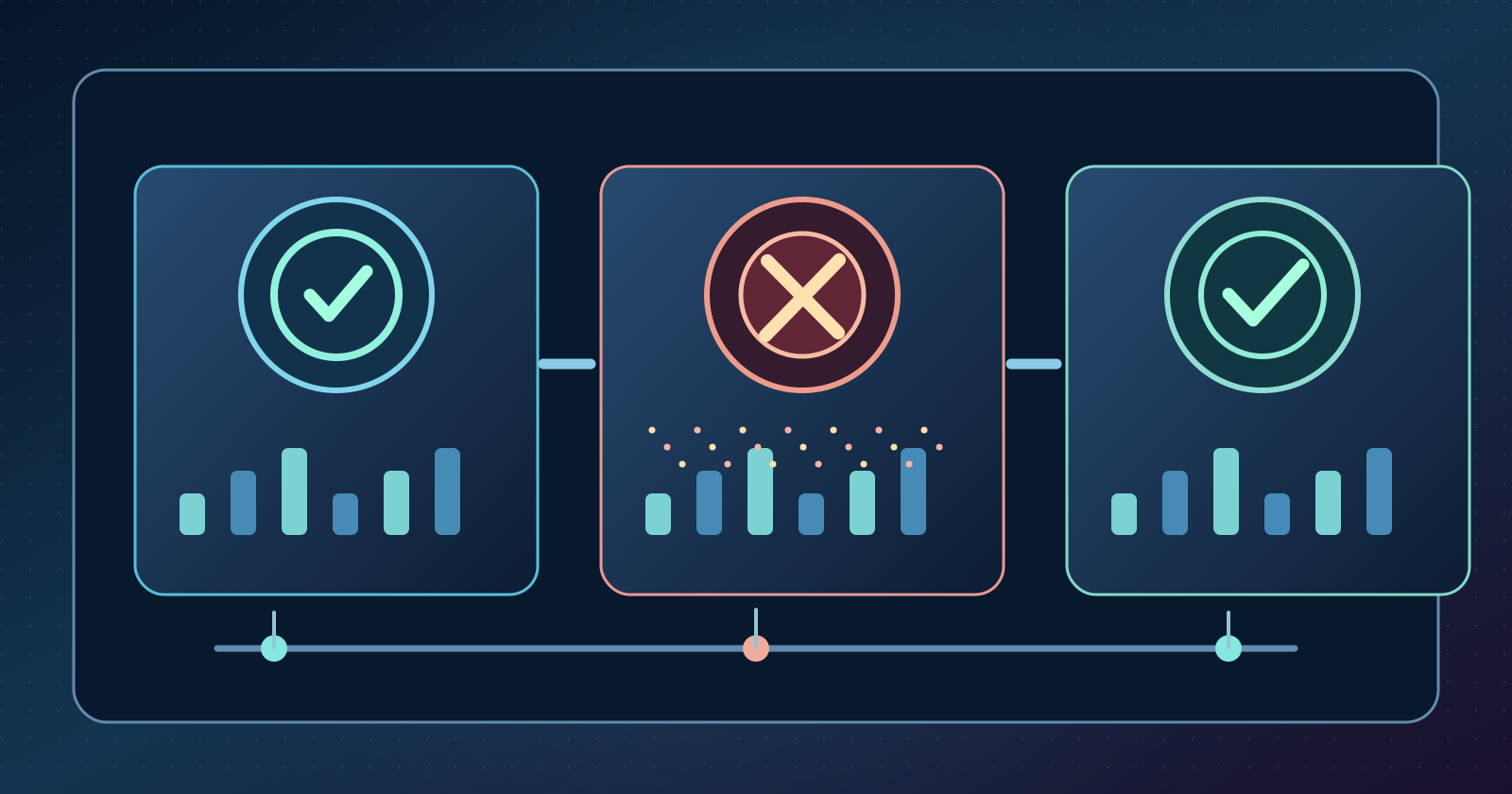
VALORANT's penalties FAQ explicitly states that AFK or dodge punishments incurred during Riot-caused server incidents can be forgiven. That promise does not extend automatically to every weak home Wi-Fi signal, computer freeze or local electricity failure. When a provider can confirm that its infrastructure was unavailable, it can make broad corrections. Diagnosing individual devices is far harder, and support may need contextual information. This difference helps explain why some players see reversals while others do not.
What Apex's older loss-forgiveness rules illustrate
EA previously outlined a Loss Forgiveness mechanism in its Apex Ranked Series 4 materials, including conditions involving a randomly matched teammate quitting or certain unexpected disconnects. The same explanation described limits intended to discourage manipulation. This is historical evidence about an older Ranked system, not reliable confirmation that those exact exemptions, thresholds or timer values are in force in October 2026. Its value lies in the design idea: protecting a teammate's lost rating and disciplining a leaver are two separate decisions.
Why blanket disconnect forgiveness is exploitable
If unplugging a router always erased an impending Ranked loss, a losing player could use it deliberately and pretend it was an accident. Servers cannot always distinguish a genuine power failure from someone pulling a cable on purpose. For this reason, systems can consider repetition, reconnect opportunities, acknowledged server failures and other available context. Even carefully designed enforcement will sometimes get a case wrong, but unlimited no-questions-asked forgiveness would create an incentive for intentional disconnections.
Protecting abandoned teammates is equally important
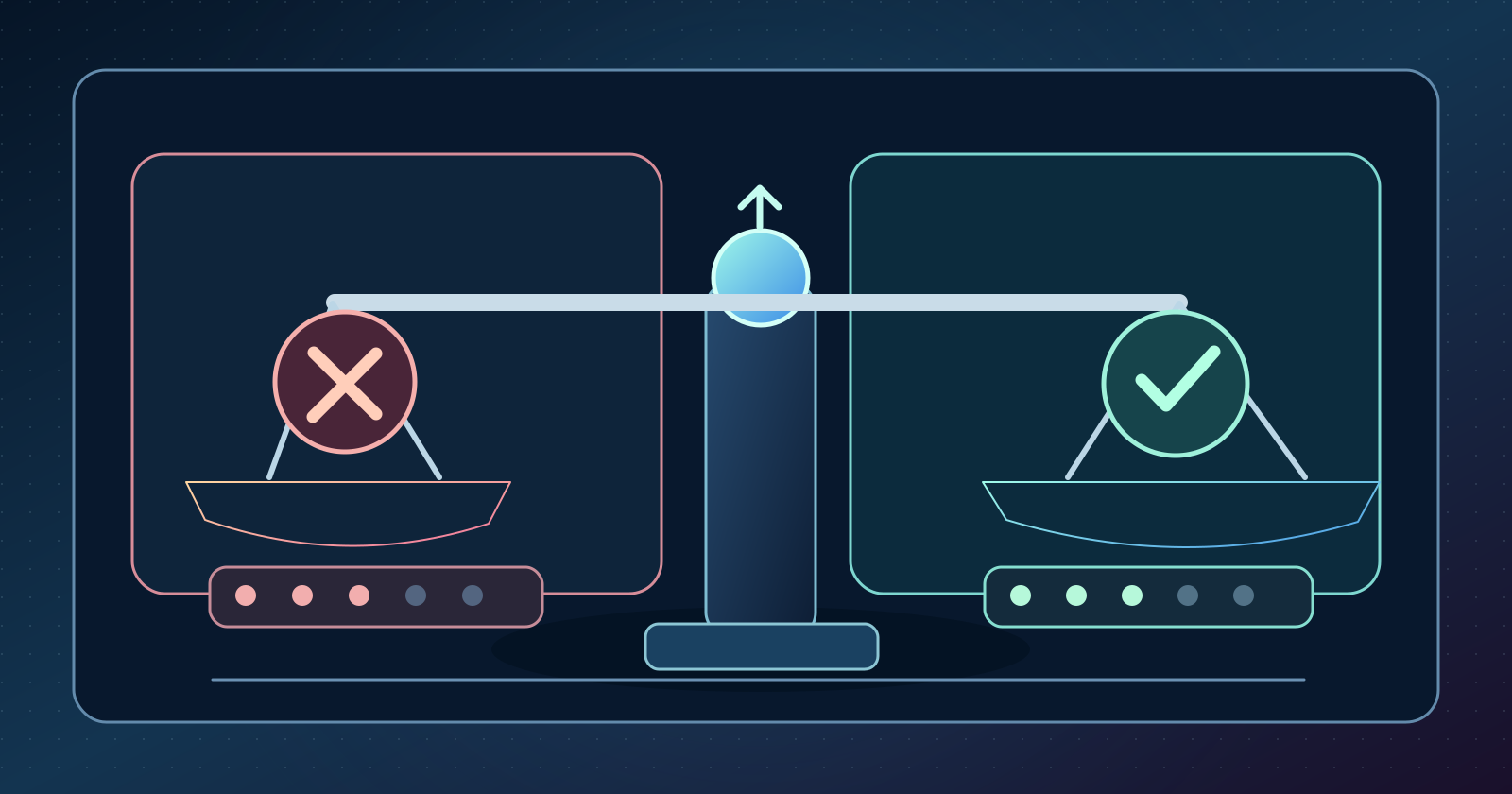
A leaver can receive a legitimate sanction while the other participants still lose ranking points for a match they were unable to play properly. Riot's Disruptive Behavior Repair documentation describes conditional compensation, such as consolation LP and autofill protection, when disruption has been verified. Such measures can be limited to avoid farming and are not granted for every alleged incident. They cannot return the time already lost, but they make the broader system more defensible than punishing one account and doing nothing for the rest.
An algorithm sees absence, not a person's intention
A game can detect when inputs stop, packets fail and a connection returns. It generally cannot watch a player's home or directly read their reasons for disappearing. Someone sabotaging their team by staying still may resemble a player whose application froze, while someone with unstable connectivity may resemble a repeat quitter. Good policies should aim to minimise false positives while resisting predictable manipulation. Public help articles do not disclose every internal signal, so claims that the matchmaker can perfectly know intentions are unwarranted.
Can weak infrastructure make ranked unfair?
Players in areas with unreliable infrastructure may experience disruptions beyond their control, but the other nine people in their matches still face an avoidable risk. Administering identical penalties is easy; genuine fairness requires reliable reconnect, warnings during service instability, clear support routes and appropriate distinctions between casual and competitive modes. That does not mean automatically exempting chronic disconnections. It means helping people make informed decisions without declaring their circumstances proof of malicious intent.
What proportionate enforcement should look like
Better enforcement combines clearly explained warnings, escalating sanctions for repeated actions, specific relief for confirmed provider incidents, and a credible method to review mistakes. Leaving before a match begins should not automatically be judged as harmful as disappearing from a long contested game. Publishing precise technical thresholds could make detection easier to evade, so transparency should centre on principles and outcomes rather than exposing every anti-abuse signal. What players deserve is a comprehensible decision and a fair process.
Useful evidence after a genuine client failure
If your game crashes, use official reconnect functionality while the match is still active, check status announcements and retain the time, region and error message for legitimate support. These steps do not guarantee that a penalty will be overturned, and they are not a substitute for a stable connection. Avoid unauthorised apps claiming to erase bans, manipulating game files or deliberately disconnecting to test forgiveness tricks. Honest incident details are more useful than guessing what an enforcement model secretly detects.
The balance between preventing abuse and forgiving accidents
Protecting teammates and respecting genuine accidents are not opposing moral positions; both are necessary to an enjoyable competitive queue. League and VALORANT show how escalating systems can deter repeated disruption, while outage exemptions and conditional teammate compensation address different forms of injustice. Riot's reported improvements are encouraging within the studied Competitive data, but do not resolve every individual false positive. The fairest approach is proportional, explainable and open to review, not maximally harsh or completely toothless.
Official references and limits of interpretation
Research checked October 9, 2026: Riot's League Queue Dodging, AFK and Disruptive Behavior Repair support, VALORANT's official penalty FAQ and September 2025 behaviour report, plus EA's historical Apex Ranked Series 4 policy. League LP figures and VALORANT sanctions are playlist- and history-specific, and may change. The older Apex policy is expressly not presented as its current rules. Recommendations about proportional justice and appeals are Zaplat Gaming editorial analysis, not a promise that any challenge will succeed.
Sources & references6
- Riot Games Support — queue dodgingsupport.riotgames.com
- Riot Games Support — away from keyboard afk faqsupport.riotgames.com
- Riot Games Support — disruptive behavior repairsupport.riotgames.com
- Riot Games Support — penalties and bans faqsupport.riotgames.com
- playvalorant.com — behavior update afks dodgesplayvalorant.com
- ea.com — ranked series 4 detailsea.com