

A familiar map disappearing from Ranked feels personal. You learned its angles, coordinated with friends and finally stopped getting lost on defense. Then a patch quietly changes the geography of your favorite game. Yet map pools are not just menus: they ration learning time, affect tournament strategy and reveal what studios believe competitive fairness means.
Rotation is not deletion
Removing a map from a ranked queue does not necessarily erase its files or make it inaccessible in every mode. Custom games, casual playlists and esports can have different pools. Treating a temporary competitive exclusion as permanent content removal creates unnecessary confusion and distracts from the genuine criticism: lost choice in a specific playlist.
Map knowledge is a real skill
Competitive mastery includes rotations, utility timings, sightlines, sound cues and the ability to anticipate enemy decisions. Those habits take months to build. Rotating out a familiar map temporarily sidelines that investment; keeping every map indefinitely, however, may give experienced players a punishing knowledge advantage over newcomers.
Riot explained its seven-map philosophy
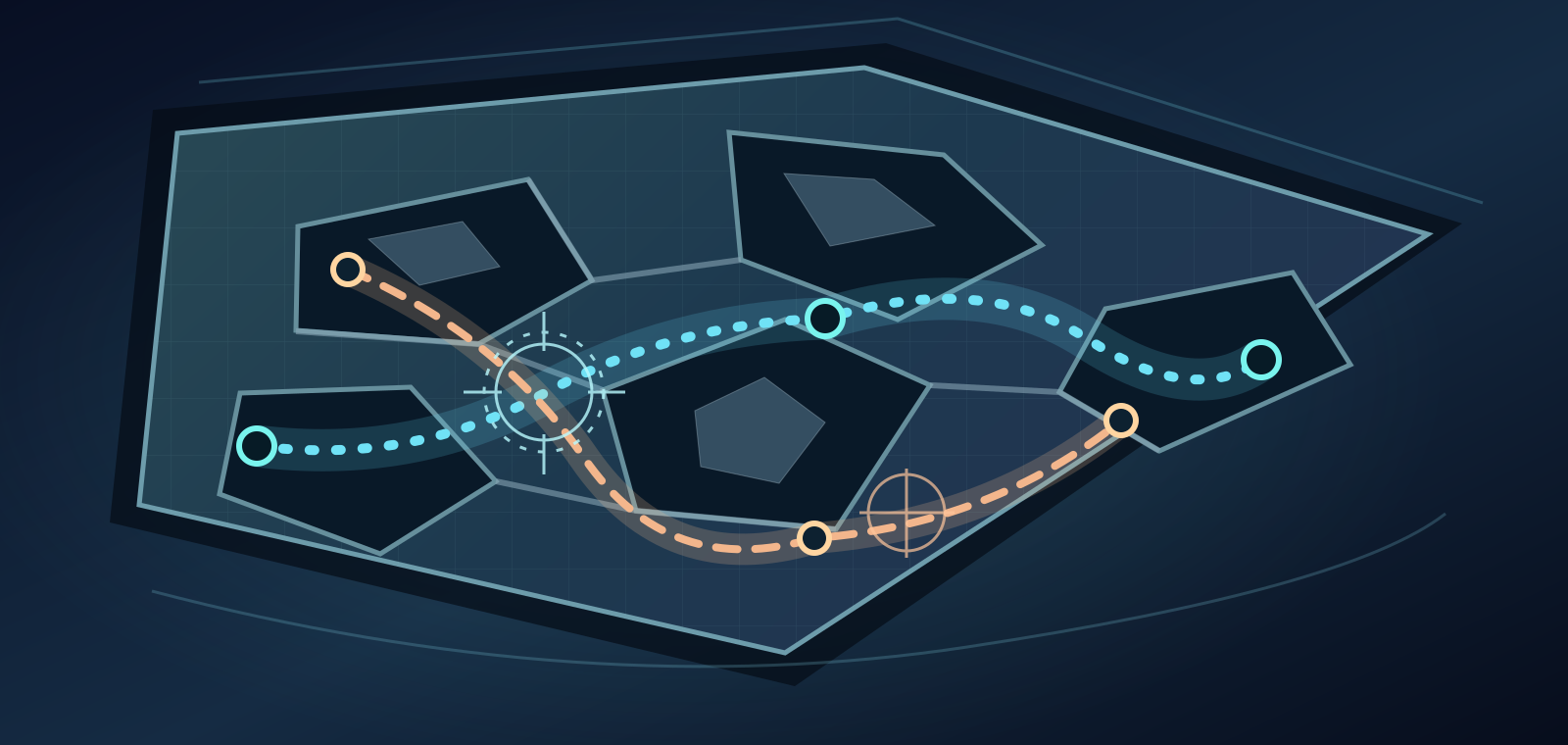
In 2022 Riot said a seven-map VALORANT pool balanced variety with mastery, while also fitting best-of-five tournament vetoes without repeats. This is the developer's specific design rationale, not proof that seven is a magic number for every shooter. Player populations, map complexity and esports structure can change the calculation.
Esports vetoes differ from solo queue
A professional team practices a deliberate map-ban strategy with stable teammates. Ranked players often queue alone, get unfamiliar teammates and have little collective preparation. Aligning public and professional pools may make the scene easier to follow, but it does not automatically make every matchmaking experience equally fair.
The hidden cost of new maps
A new battleground asks everyone to learn callouts, landmarks, defensive rotations and common utility sequences. Too many simultaneous choices can turn onboarding into homework. Too few become a repetitive exercise in memorized angles. The useful measure is not raw map count, but how much genuinely different thinking the selection rewards.
Returning players pay twice
Someone returning after a season may discover new layouts, missing favorites and strategies that have expired. Live-service games should welcome returnees rather than punish intermittent play. Clear advance announcements, available practice modes and accessible change notes can lower that friction without freezing the competitive game in time.
Counter-Strike takes its own route
Valve's July 2025 Counter-Strike announcement placed Overpass back into the Active Duty group while moving Anubis out. That is a dated example of a named competitive pool changing, not evidence that Anubis vanished from the entire product forever. Professional practice plans and spectator familiarity shift with such decisions.
Playlist labels matter
Active Duty, Premier, Competitive, Unrated and Custom do not always share identical rules. Even within one game, a map can be unavailable in one queue and usable in another. Coverage should name the exact playlist and relevant patch date rather than spreading the misleading headline that a beloved map was simply deleted.
Blizzard tried the reverse
Overwatch 2 director Aaron Keller said in 2023 that map pools were going away in Season 4 after negative player sentiment and limited value from the existing roster. Blizzard's reversal is crucial evidence that rotation is not a universal competitive commandment. Sometimes broad access serves the particular game better.
Variety is not automatically fun
Five repeats of a weak layout can bore anyone, but a larger pool cannot repair dull encounters by itself. Real variety changes positioning, pacing and meaningful decisions. Superficially different corridors can add memorization work without making battles richer, and refreshing the menu is not the same as improving the match.
A map's absence can be productive
A developer might use a rotation gap to adjust unfair choke points, problem sightlines or readability. But a map spending months outside Ranked is not proof that it was improved. Players deserve concrete before-and-after explanations: what changed, why it matters and whether the next competitive season genuinely benefits.
Professionals also absorb disruption
Teams invest in map-specific lineups, calling systems, defensive protocols and scrim schedules. A late change can reward adaptability but also undermine planned preparation. Publishing the rotation calendar early is therefore part of competitive integrity, not merely a courtesy for content creators looking for a timely news hook.

Fairness should reward knowledge
Some argue that fresh maps wipe away veterans' unfair advantage; others rightly note that practice ought to matter. Healthy matchmaking should respect learned skill while preventing unreasonable access barriers. Giving adequate preparation time is often more equitable than surprising everyone with unfamiliar geometry and immediately judging their rank.
Three credible pool designs
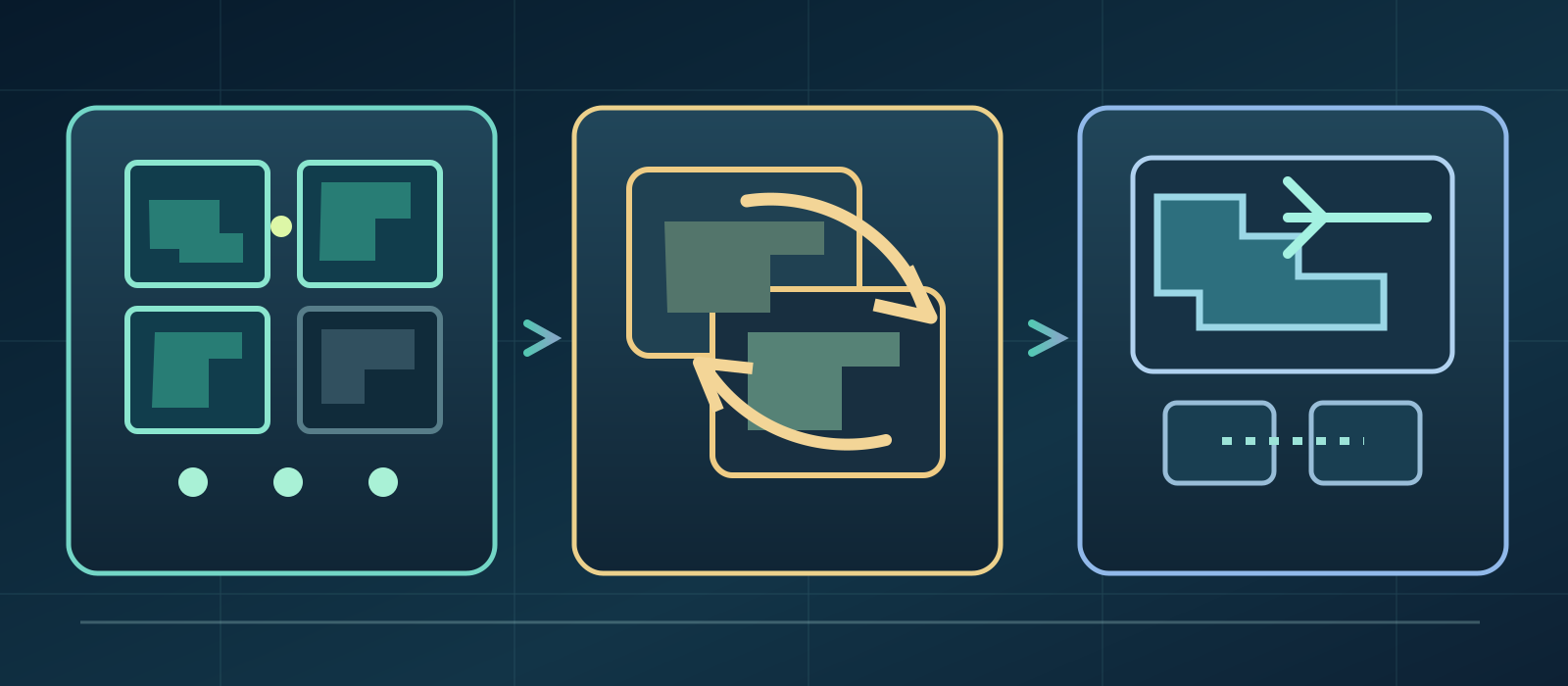
- Full map pool
- Rotating selection
- Hybrid approach
A permanent full pool maximizes availability but grows increasingly complex. A rotating limited pool controls the learning burden at the cost of removing favorites. A hybrid leaves every map in practice or casual play while publishing a smaller ranked schedule. The best option depends on mode, community scale and map design.
Transparency beats mysterious changes
Players can ask concrete questions when studios invoke competitive health: Did abandonment rates improve? Are rotations distributed sensibly? Did a reworked map actually solve its old problems? Studios need not expose private telemetry to set measurable goals, explain trade-offs and acknowledge community feedback responsibly.
A workable compromise
A transparent rotation calendar, early practice access, limited adjustment time and a post-rotation review would protect both mastery and freshness. Where technically feasible, favorites could remain accessible outside the ranked ladder. Such a compromise makes changing the pool a defendable design decision rather than an arbitrary seasonal surprise.
Sources & references4
The fair answer is neither 'never rotate' nor 'change maps for the sake of novelty'. Riot explained a learning trade-off, Valve demonstrated a specific Active Duty swap and Blizzard reconsidered the concept entirely. Judge each choice by whether players' time is respected and the matches become better, not by how different a lobby looks. Official sources