

You spend weeks learning a hero's animation timings, matchups and movement, only to see a patch shorten their range or raise an ability cooldown. It feels as if mastering your favorite playstyle has been punished. Your opponents may feel precisely the opposite: that the hero was overdue for a nerf. This is the heart of balance-patch tension. How can a studio keep matches competitive without turning players' experience into an investment that expires every fortnight? Riot's publicly documented balance frameworks and Blizzard's discussion of Overwatch hero adjustments illuminate the trade-offs, but they describe their own games and historical policies—not a universal algorithm.
Why a balance patch hurts more than a bug fix
Fixing a bug usually restores something players expect to work. Changing a hero's damage or mobility alters skills they have refined through dozens of matches, sometimes overnight. That gives the change an emotional cost even if overall competition benefits. Designers review broad match populations; a specialist remembers precise fights they can no longer win. Neither viewpoint cancels the other. Empathy for a player does not establish that the old hero was balanced, while a spreadsheet cannot fully describe what made that hero worth learning.
What nerf, buff and meta actually mean
A nerf reduces some aspect of a hero, weapon or item, while a buff strengthens it. Changes may concern damage, cooldown, range, resource costs, movement or interactions. Meta is commonly used to describe the effective and widely adopted strategies in a particular environment. A nerf need not make a character useless; nor does a buff guarantee dominance. A map adjustment or shared item change can shift the meta even when the hero's own ability numbers remain untouched.
Why overall win rate is only part of the picture
A high average win rate can flag excess strength without explaining why it happens. Perhaps a specialist-heavy player base chooses that character, perhaps certain matchups favor it, or perhaps it overperforms in one rank while struggling elsewhere. Riot's published Champion Balance Framework intentionally examined different audiences rather than one global average. Frameworks turn an emotional argument into clearer signals, but thresholds do not replace contextual analysis and judgment, especially when data are sparse or the environment is changing.
Balance looks different across skill tiers
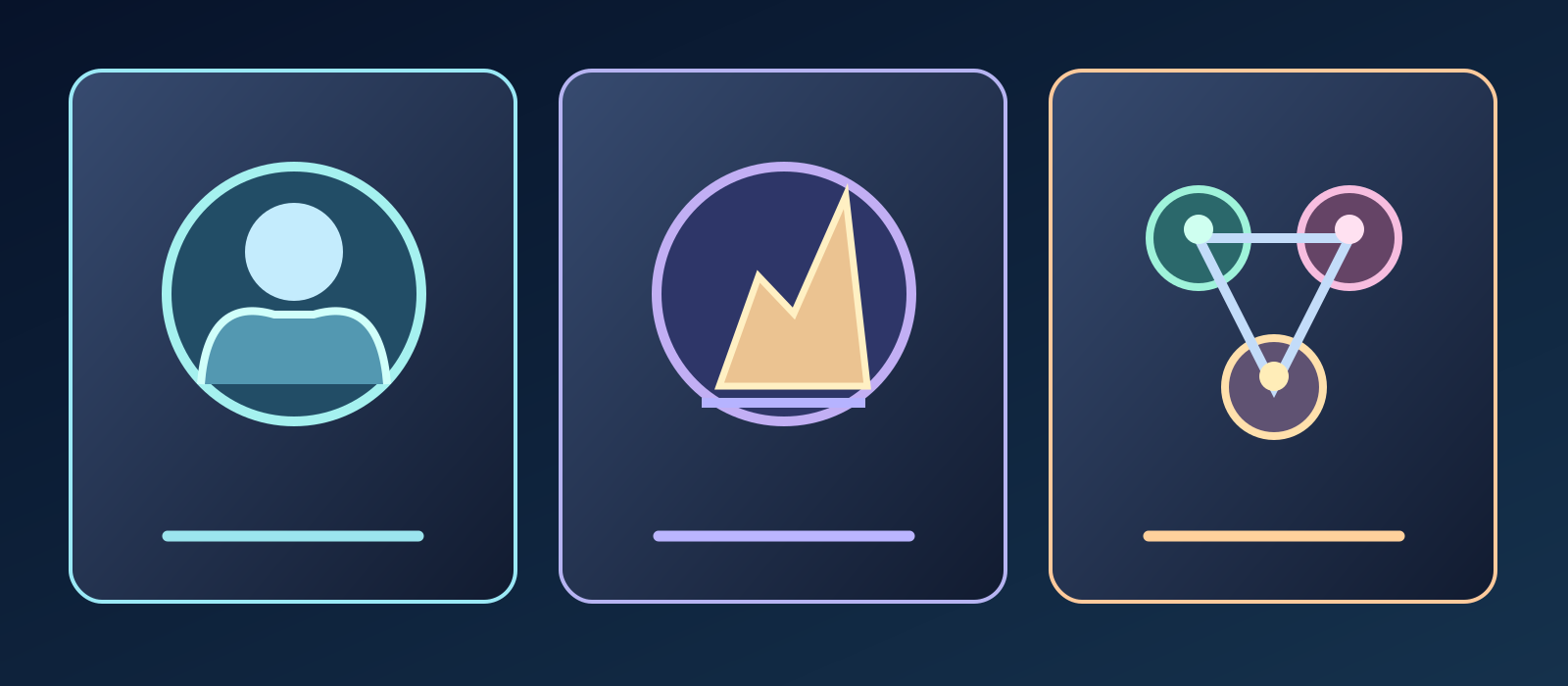
- Everyday player
- Dedicated specialist
- Coordinated team
A champion may look fair in low-ranked games while becoming overwhelming in professional teams with instant communication. The opposite can happen when a straightforward hero preys on mistakes that coordinated players avoid. Riot's framework considered distinct skill bands, including professional play. Balancing for one group can impose real costs on another. The goal is not identical outcomes for everyone but a competitive environment that leaves meaningful choices across a wide range of abilities and contexts.
Playing a hero is not the same as mastering one
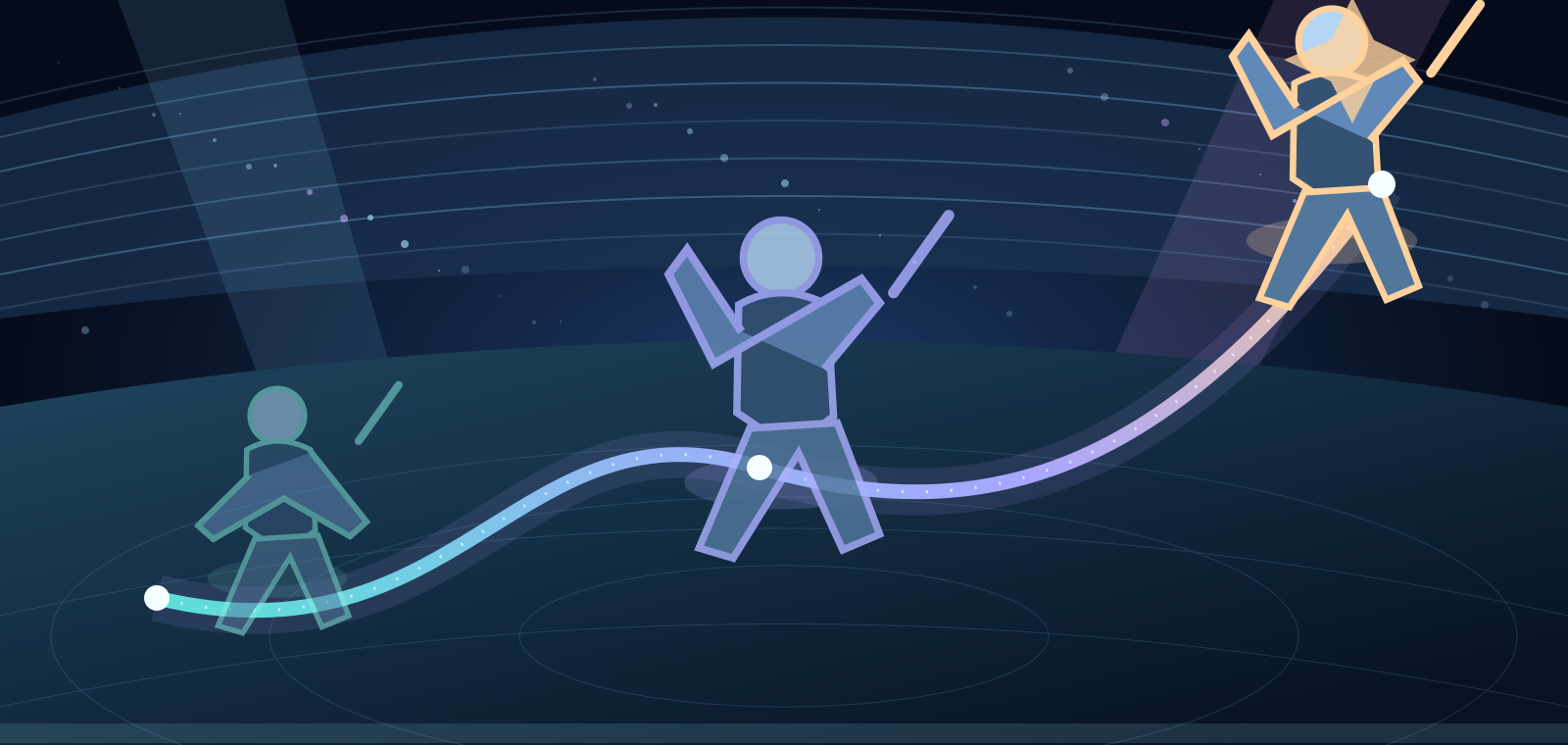
Someone who tested a hero twice and someone who played a hundred matches are not the same statistical population. Riot's mastery-curve explanations show how effectiveness can improve with practice, making early win rates especially misleading after new releases or reworks. Dedicated play does not grant immunity from balance changes, but it does matter when interpreting performance. Overall results can conceal a steep gap between new users and specialists—and the loss felt by veterans is not imaginary.
Why new characters have tricky learning curves
In a 2020 developer explanation, Riot described moving toward release balance targets reflecting a new champion's longer-term power rather than making them unusually strong for their first days and nerfing them as players learned. New characters lack the depth of live-play evidence enjoyed by established ones. That was a documented historical League design approach, not a guarantee that every release in every 2026 game obeys the same rule. The broader lesson is to separate early learning effects from durable power.
Does high popularity mean a hero is overpowered?
Seeing a hero in every match is irritating, but pick rate is not a direct measure of power. Popularity can arise from theme, satisfying mechanics, accessibility and creator coverage. Riot has publicly discussed why popularity and win rate are not interchangeable, while high-tier presence can carry particular significance. On the other hand, when an option becomes nearly compulsory and squeezes out alternatives, even fans of that hero lose variety. The right question is what the pick does to choice, not only how often it appears.
How item changes create indirect nerfs
An item can influence dozens of characters, which makes changing it riskier than adjusting one ability. Lowering its efficiency may indirectly nerf builds that never received a dedicated patch-note line, and players may then discover even stronger replacements. Riot's 2020 item-balance explanation highlights these ripple effects and argues against reckless reactions to every outlying metric. Shooter attachments, universal movement systems and shared economy rules can create similar interdependencies in different genres.

Why frustrating mechanics need more than number tweaks
Cutting damage by a small percentage may not address an interaction that leaves opponents with no readable response. Conversely, a small change in reload or cooldown timing can make a character feel dramatically different. Blizzard's Overwatch developer commentary discussed one-shot mechanics, how often they appear, counterplay and hero identity, not simply raw win rates. Fairness includes whether an opponent can understand and answer a threat. Numbers matter, but clarity, agency and gameplay identity matter too.
Pro play and ordinary Ranked inhabit different metas
At professional tournaments, prearranged compositions, practiced communication and narrow strategic windows reward tactics that do not translate cleanly to casual ranked queues. Developers may favor stability around major competitions, while spectators complain that the same characters dominate every broadcast. Riot has separately documented its reasoning around pro-play balance. A popular tournament pick is therefore evidence of one environment, not proof that every ladder player encounters the same problem or needs the same adjustment.
When waiting for counterplay is reasonable
An immediate nerf can eliminate a real excess, but it can also stop a community from discovering a viable counter-strategy. Several simultaneous changes make causal analysis difficult. Teams sometimes wait to observe more data, across several skill segments, instead of following every social-media wave. Waiting is not always responsible, though: a genuinely broken interaction that undermines matches deserves faster attention. The honest issue is deciding when evidence is sufficient, not presenting speed or patience as virtue in itself.
When an emergency hotfix is justified
Riot has explained that it considers micropatches when a nerf overshoots badly, while smaller deviations may wait for the next scheduled patch. Blizzard has discussed using faster fixes between routine Overwatch balance updates. These are studio-specific historical comments, not a shared live-service promise. Emergency correction makes sense for major unintended consequences; constant hurried changes without enough evidence can prevent any meta from settling long enough for players to understand it.
What studios owe dedicated players
A specialist cannot reasonably demand that their favorite stay dominant forever. That would disadvantage everyone matched against it. Studios can still respect invested players by explaining the aim of each change, identifying which strengths remain, leaving room to experiment outside high-stakes Ranked, and correcting obvious overshoots. Preserving a hero's distinctive identity may matter more than retaining identical numerical values. Clear reasoning and consistency make unpleasant changes easier to trust even when players disagree.
How to read patch notes without overreacting
Do not stop at a single damage percentage. Read changes to shared items, maps, counters and mode-specific rules. Separate relative percentages from flat numerical adjustments. Practice across a varied sample instead of making a confident judgment from one unusually frustrating game or a short creator clip. A patch that changes how several systems interact may require relearning. That does not mean criticism is invalid; it means meaningful criticism should describe matchups and play patterns rather than headlines alone.
Healthy variety versus forced meta churn
Fresh metas can invite players to discover neglected strategies. Forced churn, however, can exhaust people if what they learned feels disposable every week. The official sources examined here do not establish that these studios secretly nerf heroes specifically to sell replacements; such a claim would require its own evidence. A better measure of design quality is whether viable choices broaden, explanations remain consistent and each playstyle retains its appeal. Novelty should follow good competition rather than substitute for it.
Conclusion, official sources and limits
Balance is not a single destination where every character earns the same win rate. It is an ongoing negotiation among mastery, team coordination, fairness, counterplay and identity. The disappointment of someone who mastered a hero deserves consideration, as does the experience of an opponent who felt forced to face that hero every match. Our primary references are Riot's 2019 Champion Balance Framework, its 2020 new-champion and item-design explanations, its 2021 State of Gameplay review and Blizzard's historical Overwatch developer update. These sources describe published approaches at their dates; they are not proof of every studio's current practice. They offer tools to judge a nerf or buff on evidence rather than resentment alone.
Sources & references5
Sources (official)
- leagueoflegends.com — dev champion balance frameworkleagueoflegends.com
- leagueoflegends.com — dev updated approach to item balancingleagueoflegends.com
- leagueoflegends.com — dev balancing new championsleagueoflegends.com
- leagueoflegends.com — state of gameplay sep 2021leagueoflegends.com
- overwatch.blizzard.com — actualización de los desarrolladores de aaron kelleroverwatch.blizzard.com