

Valve has added a new frame-rate distribution view to Steamworks for developers of Steam Deck Verified titles. It uses performance data from customers who chose to share game-session information.
What happened?
Instead of showing only average FPS, the dashboard now reveals a distribution of the frame rates actual players experience. Studios can use it to see how often a game runs smoothly or falls into lower frame-rate ranges.
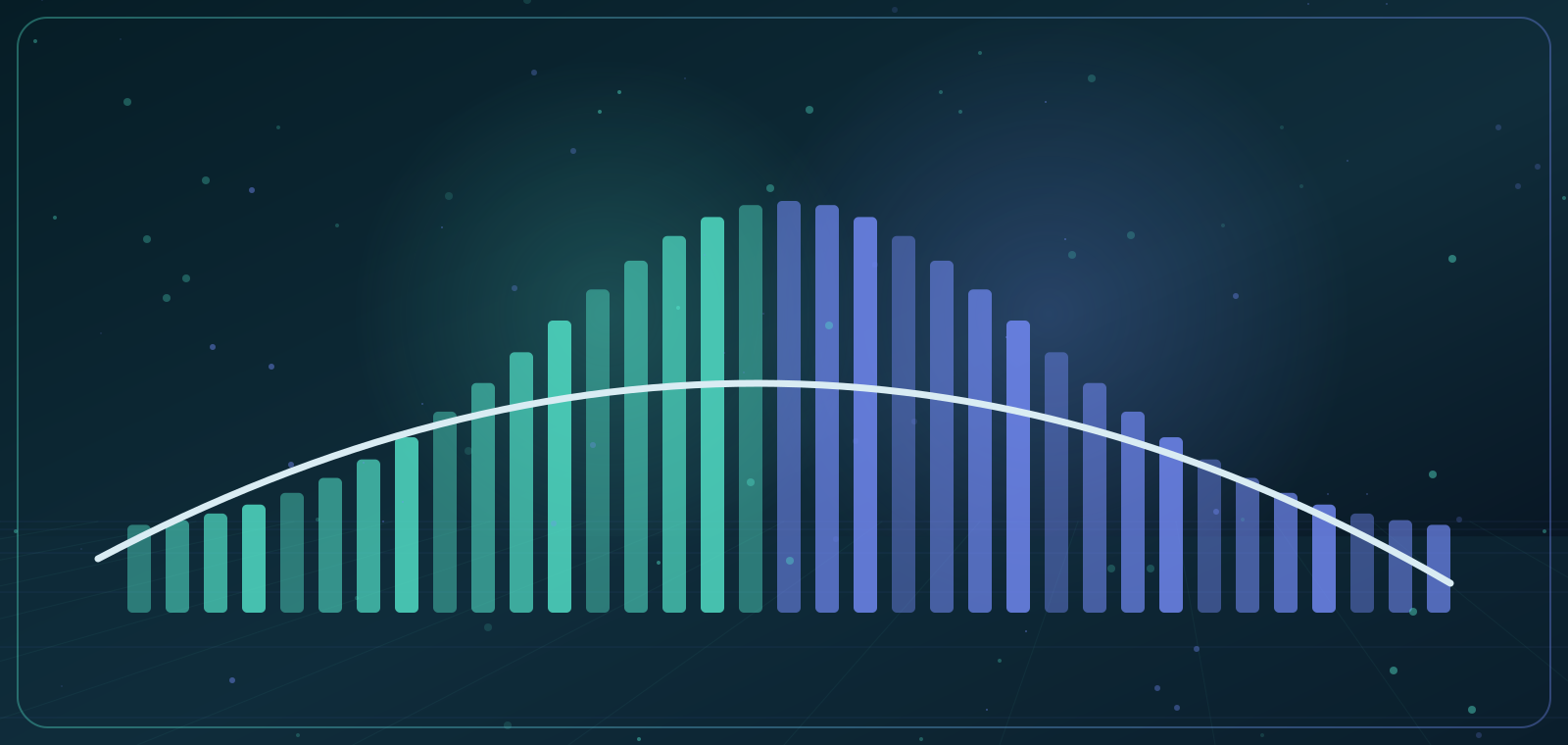
Valve's October 1 Steamworks announcement places the new chart in the partner dashboard under Technical Tools and Steam Hardware Compatibility Review. It is currently available to teams with Steam Deck Verified titles and uses frame-rate information shared by customers who opted in. Unlike a single average FPS number, a distribution reveals how frequently actual sessions fall within different performance ranges. The same game may run quickly in an empty room and struggle when a crowded battle introduces complex effects, even when its overall average looks acceptable. A distribution can indicate how widespread the slower experience is among participating players. It does not prove that the sample includes every possible device setting or game scene. Neither is this a public catalog of frame rates for consumers. Valve describes the new information as one of several tools available to developers, alongside average frame-rate statistics and customer feedback, so that studios can make more informed optimization decisions.
What is confirmed?
Valve's Steamworks announcement states that the feature is currently available to games already marked Steam Deck Verified and draws on opt-in user data. Steam Deck LCD supports up to 60 FPS and the OLED model up to 90 FPS.
Consider an action game that normally approaches 60 FPS but drops during visually demanding encounters. An overall average can hide the moments when the player feels inconsistent control or stuttering. Seeing the spread of values gives a developer another way to judge whether those moments are exceptional or common, without pretending that the chart identifies the cause. Engineers still need to investigate resource loading, graphics features and particular workloads with reproducible tests. Valve highlights a further distinction between the LCD Steam Deck's maximum 60 FPS display capability and the OLED model's maximum 90 FPS. Those figures are screen limits, not promises that every game can achieve them. A demanding title might feel better with a stable lower target than with an unstable high number. Power consumption, heat, responsiveness and battery life also matter when choosing settings for handheld hardware, which is why optimizing only for the highest measured FPS can be misleading.

What does it mean for players?
Real-world distributions may help teams measure the effect of patches, settings and optimization work. They do not guarantee that every owner will reach the screen's maximum refresh rate in every game.
Developers could compare distributions before and after an update that adjusts lighting, shaders or default graphics presets, using observed play sessions to decide whether changes merit deeper investigation. If local testing shows a smooth result but the field data shows a significant lower-performance group, the team has a useful question to investigate. However, the visualization should complement, not replace, controlled tests and direct player feedback. Compatibility is also broader than frame rate: controller prompts, readability, menus and stability affect the handheld experience. A chart showing faster rendering does not establish that text has become readable or that crashes have been resolved. Similarly, a delay caused by a network connection is not the same as stuttering caused by dropped frames. Consumers considering a Steam Deck game should continue consulting recent credible performance tests on the specific hardware, rather than assuming that adding a developer dashboard feature automatically improves every release.
What happens next?
The charts are part of developer partner tools, not a public ranking of the performance of every Steam title. Sample sizes and results depend on players consenting to telemetry.
Because users choose whether to share data, the collection is not a mandatory census of every Steam Deck session. The number and characteristics of participating players can change, and a game's performance profile can evolve after patches or operating-system updates. That makes publication dates and methodology important when interpreting screenshots of any statistics. At this stage the distribution view remains a partner feature for already Verified games; Valve has not announced a public performance league table or a date when all customers will see these charts. It is also not a new certification requirement automatically replacing the broader Steam Deck verification process. Possibilities for future devices or different analytics should not be presented as shipped functionality. The confirmed development is narrower but worthwhile: studios can use consent-based real-session FPS distributions to identify patterns beyond a single average and investigate whether real optimizations improve the experiences of players using handheld hardware.